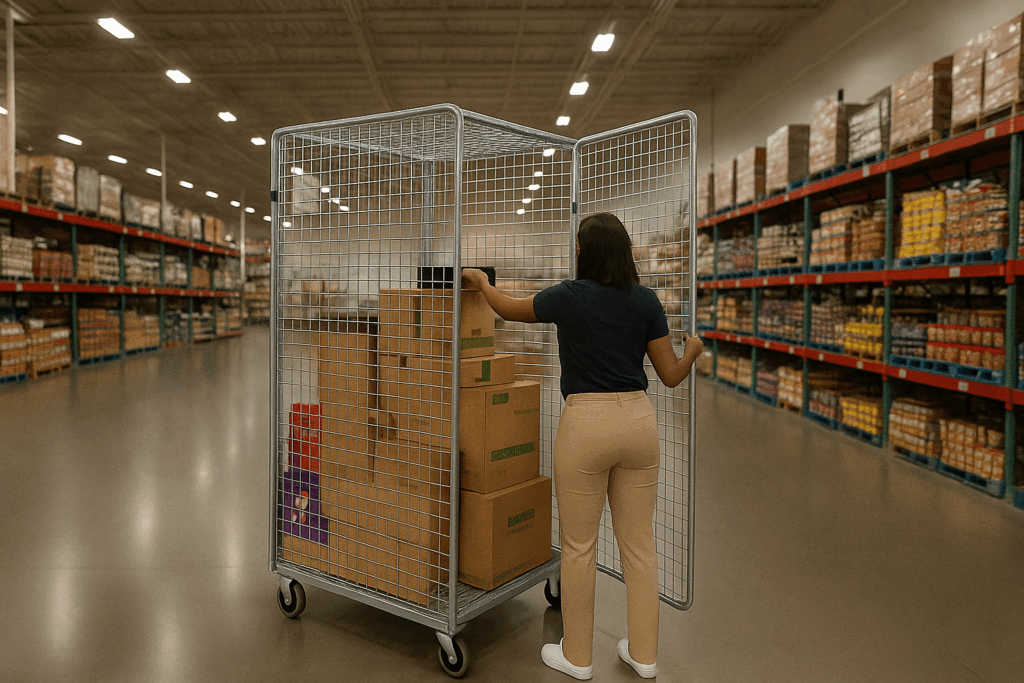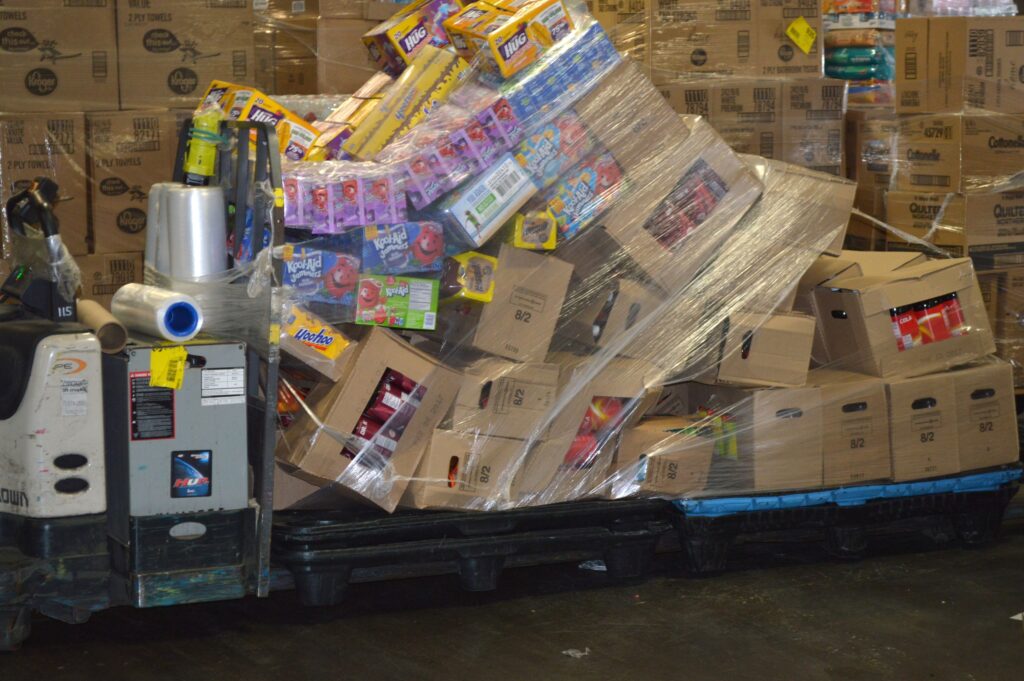

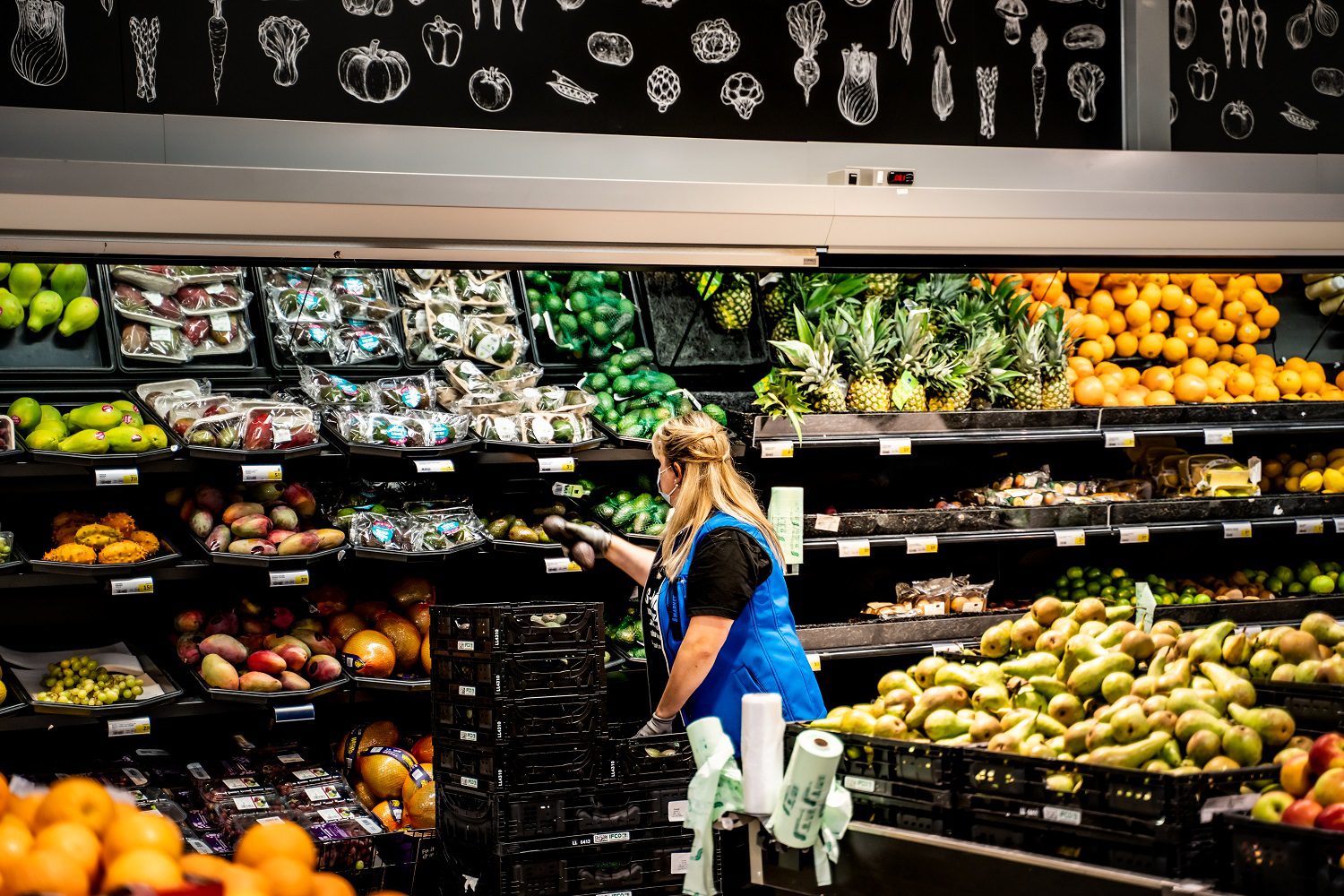
The global food and grocery retail market, valued at USD 11,932.5 billion in 2023, is projected to grow at an annual growth rate (CAGR) of 3.2% from 2024 to 2030. This dynamic landscape is continuously evolving, driven by technological advancements, shifting consumer behaviours, and a growing emphasis on sustainability. Here are some of the next big trends to follow in retail logistics:
1. Omni-Channel Integration
A significant shift in retail logistics is the seamless integration of multiple sales channels. Major players like Amazon and Kroger are leading this transformation, with all major retailers now developing their own logistics operations. The clear distinction between retail and postal logistics companies is fading, as retailers increasingly manage their delivery processes in-house to offer faster and more reliable services.
2. Green Logistics
Sustainability is becoming a central focus in logistics. Retailers are adopting eco-friendly intralogistics solutions to minimize their carbon footprints, incorporating electric vehicles, alternative fuels, and eco-friendly packaging. The push for sustainability also includes reducing or eliminating secondary packaging and optimizing truck loads to improve efficiency. While retailers are willing to invest more in sustainable solutions, this investment has its limits, balancing cost and environmental responsibility.
3. Shift from Supermarkets to Convenience Stores
The convenience store sector is expected to see significant growth from 2023 to 2030. This expansion is driven by strategic initiatives from major retail players and is evident in both in Europe and the United States. The trend towards convenience stores reflects a shift in consumer preferences for quick, accessible shopping experiences.
To manage this transition, FMCG (Fast-Moving Consumer Goods) retailers are increasingly outsourcing to Third-Party Warehouse Management (3PL). The three primary reasons for this shift are:
- Concentration on Core Business: Outsourcing logistics allows retailers to focus on their primary business activities.
- Cost Savings: Third-party providers can offer cost efficiencies that in-house operations may not achieve.
- Time and Effort Savings: Outsourcing reduces the logistical burden, enabling faster response times and better scalability.
4. Increased Warehouse Automation
Automation is revolutionising warehouse operations. The use of Automated Guided Vehicles (AGVs), robotic arms, and other automated systems is on the rise, enhancing efficiency and reducing human error. These technologies allow retailers to streamline their operations, increase accuracy, and reduce skilled labour dependency.
By staying ahead of these trends, retailers can ensure they are well-equipped to handle the evolving challenges and opportunities. Whether it’s through adopting green logistics practices, integrating omni-channel strategies, or leveraging automation, the future of retail logistics promises to be both exciting and transformative.
At K.Hartwall, we have the expertise and solutions to support retailers in navigating these trends. Our advanced sustainable (intra)logistics solutions are designed to help them optimise their supply chains and achieve long-term growth.
Stefan Lindh
Head of BU Retail