




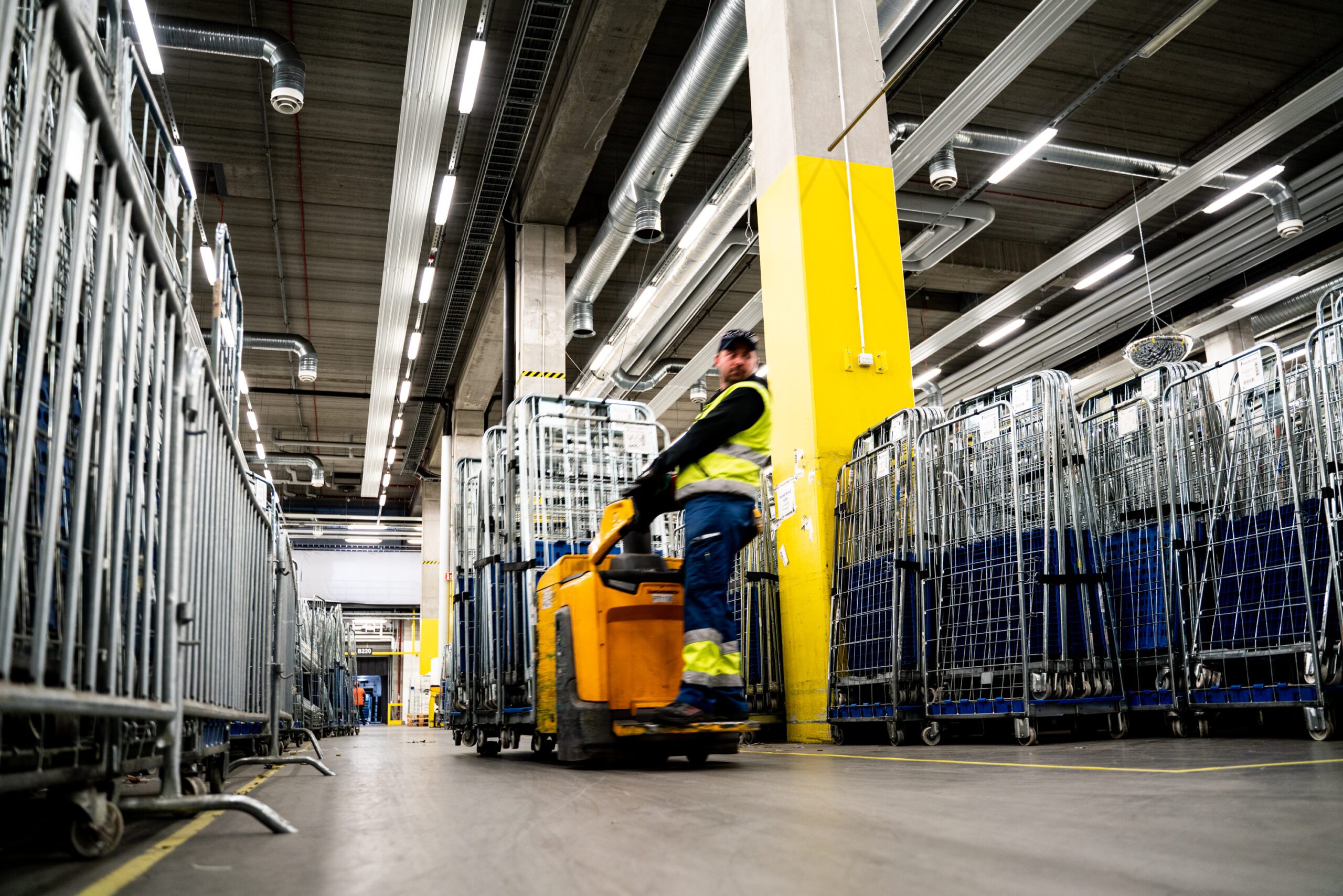
Yes, roll containers can significantly reduce warehouse footprint requirements through their vertical storage capabilities, foldable designs, and optimised material flow systems. These space-efficient solutions maximise storage density whilst improving operational efficiency, making them ideal for warehouses seeking to reduce their physical space needs without compromising functionality.
Understanding roll containers and warehouse space optimisation
Roll containers represent a fundamental shift in how warehouses approach space utilisation. These wheeled storage units serve as versatile material handling solutions that directly address the growing challenge of warehouse space constraints.
Modern warehouses face increasing pressure to maximise storage capacity whilst maintaining operational efficiency. Rising property costs and the need for faster order fulfilment create a perfect storm where traditional storage methods often fall short. Roll containers offer a practical solution by combining mobility with space-efficient design.
The key to their effectiveness lies in their ability to transform how goods move through warehouse spaces. Rather than requiring dedicated storage areas and separate handling equipment, roll containers integrate storage and transport functions into a single, compact solution.
How do roll containers maximise vertical storage space?
Roll containers excel at vertical storage through their stackable configurations and height-optimised designs. When not in use, these units can be stacked efficiently, dramatically reducing the horizontal floor space required for storage.
The stackable nature of roll containers allows warehouses to utilise vertical space that would otherwise remain unused. A single storage bay can accommodate multiple units stacked vertically, effectively multiplying storage capacity without expanding the warehouse footprint.
Foldable roll containers take this concept further by collapsing to a fraction of their operational height. This design feature enables warehouses to store significantly more empty units in the same vertical space, optimising the return journey efficiency and reducing storage requirements for unused equipment.
What space-saving features make roll containers more efficient than traditional storage?
Roll containers outperform traditional storage methods through their standardised dimensions and multi-functional design. Unlike fixed shelving systems that require permanent floor space allocation, roll containers adapt to changing storage needs.
The foldable design of many roll containers represents a significant advancement over rigid alternatives. When collapsed, these units occupy minimal space, allowing warehouses to maintain large fleets without dedicating extensive storage areas to unused equipment.
| Feature | Roll Containers | Traditional Storage |
|---|---|---|
| Space utilisation | Stackable and foldable | Fixed footprint |
| Flexibility | Mobile and adaptable | Permanent installation |
| Storage efficiency | Vertical optimisation | Horizontal space dependent |
Nestable designs further enhance space efficiency by allowing empty containers to fit inside one another, similar to shopping trolleys. This feature dramatically reduces the storage footprint required for unused units.
How does improved material flow reduce warehouse space requirements?
Enhanced material flow through roll containers eliminates the need for multiple handling stations and temporary storage areas. By combining storage and transport functions, these solutions reduce the overall space required for warehouse operations.
Traditional warehouse layouts often include dedicated areas for staging, sorting, and temporary storage. Roll containers streamline these processes by enabling goods to remain in mobile storage units throughout the handling process, effectively eliminating the need for multiple dedicated storage zones.
The mobility of roll containers reduces aisle width requirements compared to fixed storage systems that need forklift access. Narrower aisles translate directly into increased storage capacity within the same warehouse footprint.
Improved material flow also reduces congestion points that typically require additional space buffers. When goods move smoothly through the warehouse in organised roll container systems, the need for extra space to accommodate bottlenecks diminishes significantly.
What are the key considerations when implementing roll containers for space optimisation?
Successful implementation requires careful evaluation of warehouse layout compatibility and integration with existing systems. The greatest space savings occur when roll containers are incorporated into a comprehensive warehouse redesign strategy.
Consider the following factors when planning implementation:
- Floor surface quality and gradient for smooth rolling
- Door and aisle width requirements for container movement
- Ceiling height limitations for stacking capabilities
- Integration with existing conveyor systems and automation
Measuring space utilisation improvements requires establishing baseline metrics before implementation. Track indicators such as storage density, aisle utilisation, and the ratio of storage space to total warehouse area.
The choice between foldable and nestable designs depends on your specific operational patterns. Foldable containers offer maximum space savings for return journeys, whilst nestable designs provide quicker setup and breakdown processes.
Maximising warehouse efficiency with roll container solutions
Roll containers deliver substantial warehouse footprint reduction through their combination of vertical storage optimisation, flexible design features, and improved material flow capabilities. The key benefits include stackable storage that maximises vertical space utilisation, foldable designs that minimise storage requirements for unused units, and integrated mobility that eliminates dedicated handling areas.
Strategic implementation focusing on warehouse layout optimisation and system integration amplifies these space-saving benefits. The long-term advantages extend beyond mere space reduction to include improved operational efficiency, reduced handling costs, and enhanced flexibility to adapt to changing storage requirements.
For warehouses seeking to optimise their footprint whilst maintaining operational excellence, roll containers represent a proven solution that addresses both immediate space constraints and future scalability needs.
Ready to discover how our comprehensive range of material handling equipment can transform your warehouse operations? Explore our complete product portfolio to find the perfect roll container solutions for your specific requirements. From foldable designs to specialised configurations, we offer innovative equipment that maximises space efficiency whilst enhancing operational performance.
Have questions about implementing roll containers in your facility? Our expert team is ready to help you evaluate your space optimisation needs and recommend the most suitable solutions. Contact us today to discuss how our material handling equipment can reduce your warehouse footprint whilst improving efficiency and productivity.