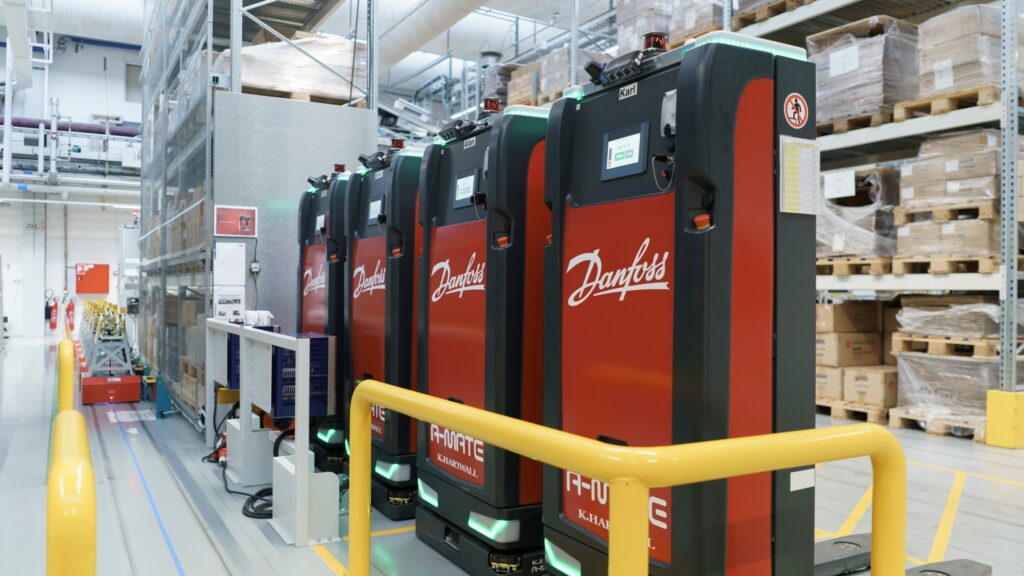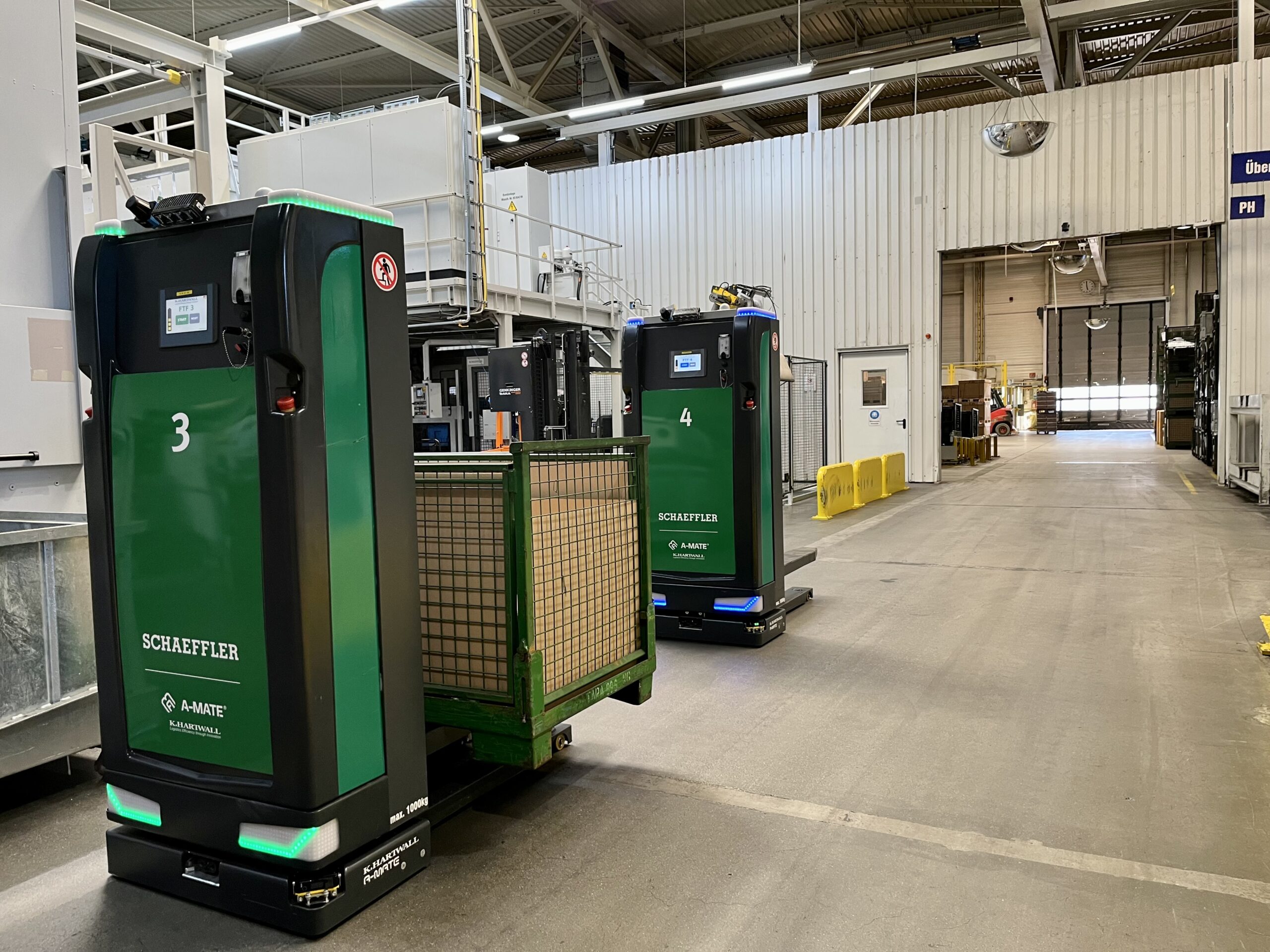
In today’s fast-paced industrial landscape, automation is no longer a luxury—it’s a necessity. Companies striving to stay competitive must embrace automation to streamline operations, reduce costs, and boost efficiency. One of the most impactful advancements in this arena is the adoption of Automated Guided Vehicles (AGVs) and Autonomous Mobile Robots (AMRs). These technologies help automate material handling, minimize human error, and increase productivity. But how does a company begin this journey?
This roadmap will walk you through the essential steps for integrating AGVs and AMRs into your supply chain operations.
Understand the Basics
Before identifying what to automate, it’s essential to understand the distinction between AGVs and AMRs.
AGVs typically follow predefined paths—guided by magnetic strips, wires, or sensors—and are ideal for predictable, repetitive tasks in structured environments, such as moving goods between stations in a manufacturing plant. AMRs, on the other hand, leverage more advanced technologies like LIDAR and vision systems to dynamically navigate changing environments. They’re well-suited for operations that require flexibility and real-time decision-making, as they can adapt to obstacles and reroute efficiently.
Define Your Automation Goals
Start by determining what you hope to achieve with automation. Do you want to boost throughput? Cut down operational costs? Improve workplace safety? Or perhaps scale your operations without significantly increasing labor costs?
Clear, measurable goals will provide direction and help justify the investment. For example, if your primary concern is safety, focus on automating tasks in hazardous areas. If throughput is the issue, look for repetitive manual processes that slow production down.
Assess Your Current Operations
Conduct a high-level feasibility assessment of your existing workflows. Look for bottlenecks or areas prone to errors and delays. Observe how materials move through your facility—where do tasks repeat, and where is flexibility essential?
Also, evaluate whether your current infrastructure can support AGV/AMR technology. Consider floor conditions, space availability, Wi-Fi connectivity, and any structural constraints. This assessment will help you pinpoint the best candidates for automation.
Choose the Right Technology and Partners
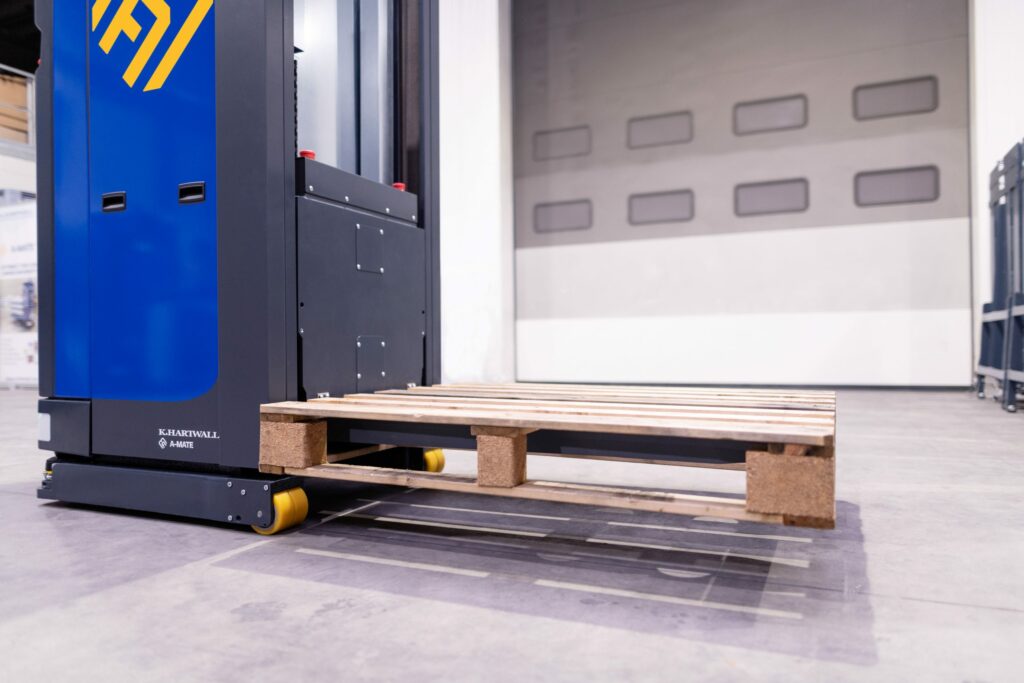
Selecting the right technology starts with matching the AGV or AMR type to your operational needs. For instance, do you need a forklift-style vehicle, an underride robot, or a towing system?
From there, consider whether an off-the-shelf solution will work or if a custom build is required. More importantly, choose a technology partner who understands your industry and can offer ongoing support, including commissioning, maintenance, and training services. Make sure the system integrates smoothly with your existing software platforms—such as WMS or ERP systems—and peripheral equipment like doors and sensors.
Pilot and Validate
If you’re new to AGVs or AMRs, don’t jump straight into a full-scale deployment. Start with a pilot project—a simple, contained process in a specific area. This allows your team to get hands-on experience without overwhelming the system.
Throughout the pilot, gather data on key performance indicators like downtime, error rates, and efficiency gains. Then compare the results to your initial goals. If the pilot proves successful, you’re well-positioned to expand. If not, analyze the issues and refine the setup before proceeding further.
Scale and Continuously Improve
A successful pilot is only the beginning. When scaling up, take a phased approach. Roll out automation across different areas gradually, ensuring each phase is tested and validated.
Equally important is preparing your workforce. Provide proper training, and implement change management strategies to ease the transition and reduce resistance. After full deployment, continue monitoring performance. Use the collected data to make ongoing improvements and adjustments, ensuring you maximize your return on investment.
Stay Future-Ready
Automation technology evolves rapidly. To future-proof your investment:
- Stay informed about developments in AI, machine learning, and IoT.
- Opt for scalable, flexible solutions that can adapt to new requirements.
- Conduct regular reviews of your strategy and performance metrics to remain ahead of the curve.
Integrating AGVs and AMRs is a significant move toward full-scale automation, offering wide-ranging benefits—from operational efficiency to enhanced safety. By understanding the technology, defining your goals, evaluating current operations, and carefully planning your rollout, you can navigate this transformation smoothly and unlock long-term value from your investment.
As the landscape of industrial automation continues to evolve, staying adaptable and informed will position your company for long-term success in an increasingly automated world. For more information or questions, please contact Aaron Zimmerer at [email protected].