




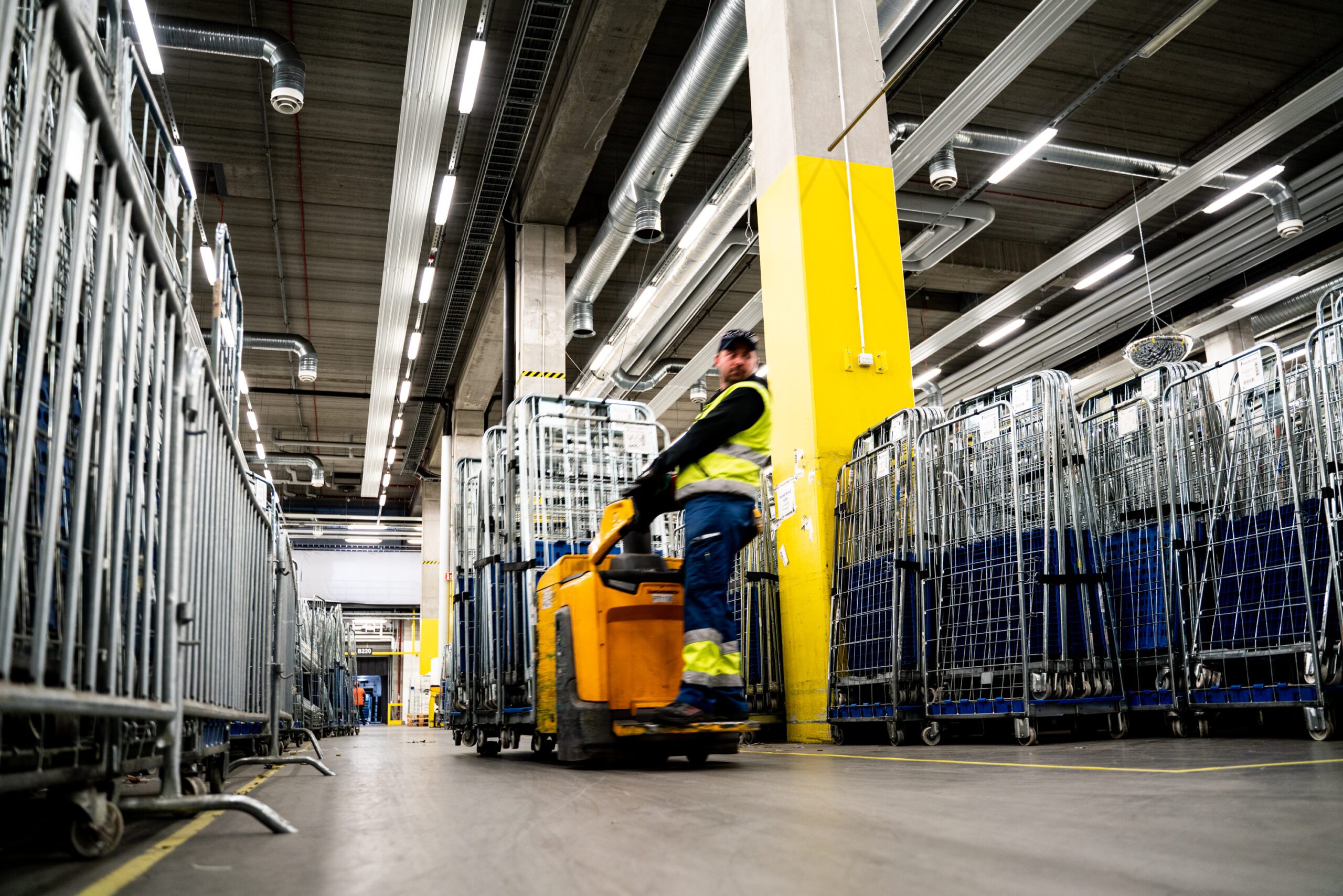
Roll containers dramatically improve space utilisation through their stackable design, mobility features, and efficient vertical storage capabilities. When not in use, these containers can be nested or stacked, reducing storage footprint by up to 80% compared to traditional fixed shelving systems. Their wheeled design eliminates the need for wide aisles required by forklifts, whilst their standardised dimensions maximise loading efficiency in vehicles and storage areas.
Understanding roll containers and their role in modern logistics
Roll containers serve as the backbone of efficient material handling in contemporary warehouses and distribution centres. These wheeled, cage-like structures are designed with mobility and space optimisation at their core, featuring sturdy metal frames, mesh or solid sides, and smooth-rolling castors that enable easy movement throughout facilities.
The fundamental design principle centres on creating maximum storage capacity whilst maintaining manoeuvrability. Unlike static storage solutions, roll containers can be quickly repositioned to adapt to changing operational needs. Their standardised dimensions ensure compatibility with existing infrastructure, from loading docks to retail spaces.
In modern logistics operations, these containers bridge the gap between bulk storage and point-of-use applications. They facilitate seamless product flow from warehouse to retail floor, supporting lean logistics principles by reducing handling steps and minimising product damage during transport.
What makes roll containers more space-efficient than traditional storage methods?
Roll containers outperform conventional storage solutions through their compact mobility and intelligent design features. Unlike fixed shelving systems that require permanent floor space allocation, roll containers can be moved and consolidated when not in active use.
Traditional storage methods often waste valuable floor space through wide aisle requirements for forklift access. Roll containers eliminate this need, operating efficiently in narrower passages and allowing for higher storage density. Their standardised footprints also enable precise space planning and optimal vehicle loading configurations.
The nestable design of many roll container models allows empty units to stack inside one another, dramatically reducing storage requirements. This feature proves particularly valuable in retail environments where empty containers must be stored between deliveries without consuming valuable shop floor space.
How does the stackable design of roll containers maximise vertical space?
The stackable architecture of roll containers transforms vertical space into a strategic advantage through intelligent nesting capabilities. When empty, containers can be stacked up to four or five units high, depending on the model, reducing the storage footprint by 75-80% compared to storing them individually.
This vertical storage approach proves especially beneficial in facilities with high ceilings but limited floor space. The nesting mechanism typically involves tapered sides or collapsible elements that allow containers to slide into one another securely.
Some advanced models feature foldable sides that collapse flat against the base, creating an even more compact storage profile. This design innovation enables facilities to store significantly more empty containers in designated areas, freeing up valuable operational space for active inventory management.
Why do roll containers improve warehouse layout flexibility?
Roll containers provide unmatched layout adaptability by eliminating the constraints of fixed storage infrastructure. Their mobility allows warehouse managers to reconfigure space allocation quickly in response to seasonal demand fluctuations, product mix changes, or operational requirements.
This flexibility proves invaluable during peak seasons when additional storage capacity is needed temporarily. Rather than investing in permanent infrastructure, facilities can deploy more roll containers and adjust their positioning to accommodate increased inventory volumes.
The ability to move containers between different zones within a facility also supports dynamic picking strategies. Containers can be positioned closer to high-velocity items during busy periods and relocated to optimise workflow efficiency as demand patterns shift.
What are the key design features that enhance space utilisation in roll containers?
Several critical design elements contribute to the superior space efficiency of roll containers. Foldable or removable sides allow containers to adapt to different load types whilst maintaining structural integrity during transport.
| Design Feature | Space Benefit | Operational Impact |
|---|---|---|
| Stackable frame | 80% storage reduction when empty | Minimal storage footprint |
| Standardised dimensions | Optimal vehicle loading | Maximised transport efficiency |
| Narrow wheel base | Reduced aisle requirements | Higher storage density |
| Adjustable shelving | Flexible load configurations | Improved space utilisation |
Ergonomic features such as appropriate handle heights and smooth-rolling castors ensure that space-saving benefits don’t compromise operational efficiency. The combination of these elements creates a solution that maximises both storage capacity and operational flexibility.
Maximising your warehouse efficiency with strategic roll container implementation
Successful roll container implementation requires a strategic approach that considers both immediate space gains and long-term operational benefits. The key lies in selecting the right mix of container types and sizes to match your specific operational requirements.
Begin by analysing your current space utilisation patterns and identifying areas where mobility could replace fixed storage. Consider factors such as product types, handling frequencies, and seasonal variations when planning your container deployment strategy.
The most effective implementations combine roll containers with complementary solutions such as dollies and adaptor pallets to create a comprehensive material handling system. This integrated approach maximises the space-saving benefits whilst supporting lean logistics principles that reduce waste and improve overall operational efficiency.
Ready to transform your warehouse efficiency? Explore our comprehensive range of material handling equipment to discover the perfect roll container solutions for your operational needs. Our expert team is standing by to help you optimise your space utilisation and streamline your logistics operations.
Take the next step towards enhanced warehouse efficiency. Contact our specialists today to discuss your specific requirements and discover how our roll container solutions can revolutionise your material handling processes. Let us help you unlock the full potential of your warehouse space.