




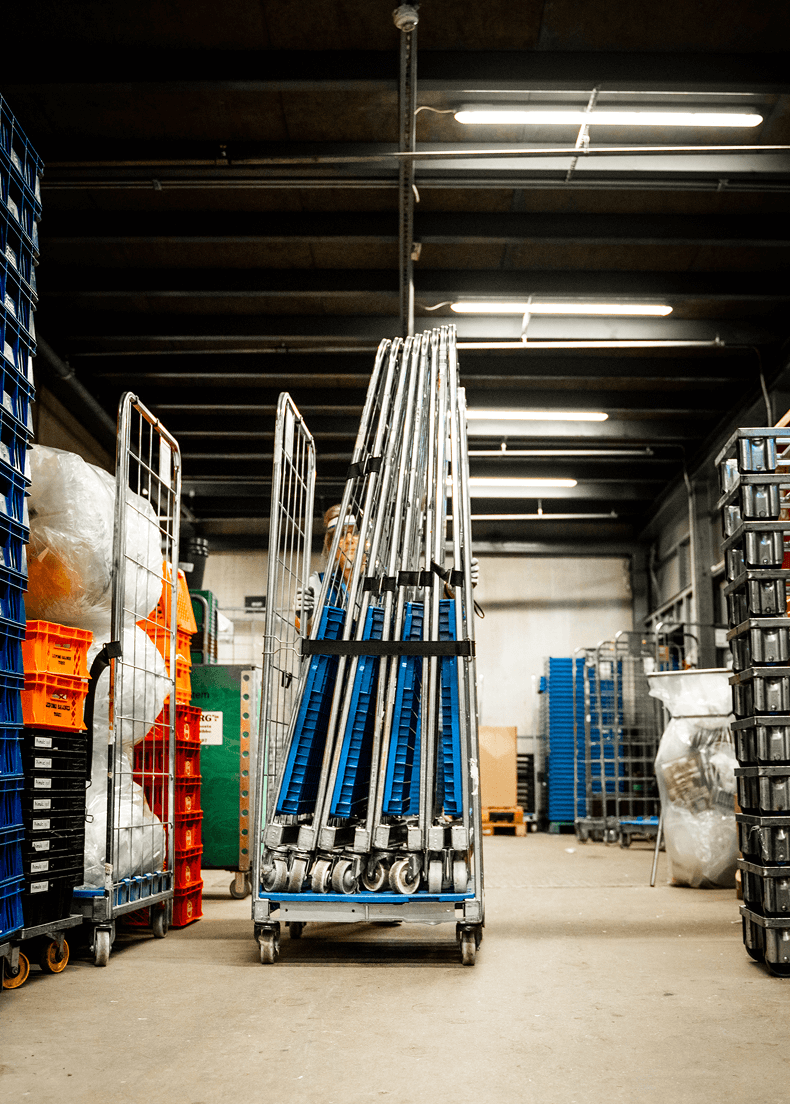
Roll containers significantly improve warehouse efficiency by reducing manual handling, optimising space utilisation, and streamlining material flow processes. These wheeled storage units enable workers to transport larger quantities of goods with minimal physical effort whilst their stackable and foldable designs maximise storage capacity. By integrating seamlessly with existing warehouse systems, roll containers create smoother logistics workflows that reduce handling time and operational costs.
Understanding roll containers and warehouse efficiency
Roll containers serve as fundamental material handling solutions that bridge the gap between manual labour and automated systems in modern warehouse operations. These versatile units combine the mobility of wheeled transport with the storage capacity of traditional containers, creating a hybrid solution that addresses multiple operational challenges simultaneously.
The connection between proper equipment selection and operational efficiency becomes evident when examining how roll containers eliminate bottlenecks in material flow. Unlike static storage systems, these mobile units adapt to changing warehouse layouts and seasonal demands, providing the flexibility that modern logistics operations require.
Warehouse efficiency depends heavily on reducing the number of touchpoints in material handling processes. Roll containers achieve this by enabling workers to move, store, and organise inventory within a single system, eliminating the need for multiple transfers between different storage and transport solutions.
What are roll containers and how do they work?
Roll containers are wheeled storage units designed for efficient material transport and temporary storage within warehouse environments. These containers typically feature a steel frame construction with mesh or solid sides, mounted on four wheels for easy manoeuvrability.
The operational mechanism centres on their mobility and versatility. Workers can load products directly into the containers, then roll them to different locations without requiring additional lifting or transferring. The wheel systems are engineered to handle various floor surfaces whilst maintaining stability during transport.
Construction materials typically include powder-coated steel frames for durability and corrosion resistance. The base platforms can support substantial weight loads whilst the side panels provide security for stored items. Many designs incorporate folding mechanisms that allow empty containers to collapse for space-efficient storage.
How do roll containers optimise warehouse space utilisation?
Roll containers maximise warehouse capacity through their stackable design and space-efficient storage configurations. When not in use, many models can be nested or folded to occupy minimal floor space, dramatically reducing the storage footprint compared to traditional fixed shelving systems.
The stackable nature of these containers allows warehouses to utilise vertical space more effectively. Multiple loaded containers can be stacked securely, creating temporary storage towers that can be easily reconfigured as operational needs change.
Foldable options provide additional space-saving benefits by reducing storage requirements for empty containers by up to 75%. This feature proves particularly valuable in seasonal operations where container needs fluctuate significantly throughout the year.
| Storage Configuration | Space Utilisation | Flexibility Level |
|---|---|---|
| Nested empty containers | 75% space reduction | High |
| Stacked loaded containers | Vertical space optimisation | Medium |
| Mobile storage units | Adaptable floor usage | Very High |
What are the key ergonomic benefits of using roll containers?
Roll containers significantly reduce manual lifting requirements by enabling workers to push or pull loads rather than carrying them. This fundamental change in material handling mechanics helps prevent workplace injuries and reduces physical fatigue during extended work periods.
The wheeled design eliminates the need for workers to repeatedly lift heavy items from floor level to shoulder height. Instead, products can be loaded at a comfortable working height and transported without additional lifting until they reach their final destination.
Worker safety improvements extend beyond reduced lifting. The containers’ stability during transport minimises the risk of dropped items, whilst their controlled movement prevents the sudden directional changes that often cause workplace accidents in traditional manual handling scenarios.
How do roll containers streamline material flow processes?
Roll containers facilitate smooth material movement by creating continuous flow paths that eliminate traditional transfer points between different handling systems. This integration reduces the time required to move products from receiving to storage to dispatch areas.
The containers integrate seamlessly with existing warehouse systems, including conveyor belts, automated sorting equipment, and loading dock configurations. This compatibility allows warehouses to implement roll containers without requiring extensive infrastructure modifications.
Handling time reductions occur through the elimination of multiple loading and unloading cycles. Products can remain in the same container throughout multiple process stages, reducing labour requirements and minimising the potential for handling errors or damage.
Key takeaways for implementing roll containers in warehouse operations
Successful roll container implementation requires careful consideration of integration strategies that align with existing warehouse workflows and infrastructure. Begin by assessing current material flow patterns to identify areas where roll containers can eliminate bottlenecks or reduce manual handling requirements.
Selection criteria should prioritise containers that match your specific load requirements, floor conditions, and storage constraints. Consider factors such as weight capacity, wheel types, and folding mechanisms based on your operational needs.
Expected efficiency improvements typically include reduced labour costs, decreased product damage, improved space utilisation, and enhanced worker safety. These benefits compound over time, creating substantial operational advantages that justify the initial investment in quality roll container systems.
Implementation success depends on proper staff training and gradual integration that allows workers to adapt to new processes. Consider starting with pilot areas before expanding roll container usage throughout the entire warehouse operation.
Discover our complete material handling equipment range
Ready to transform your warehouse efficiency with professional-grade roll containers and material handling solutions? Explore our comprehensive range of material handling equipment designed to optimise your operations and reduce operational costs.
Our expert team is ready to help you select the perfect roll container solutions for your specific warehouse requirements. Contact us today to discuss your material handling challenges and discover how our proven equipment can streamline your operations whilst improving worker safety and productivity.