




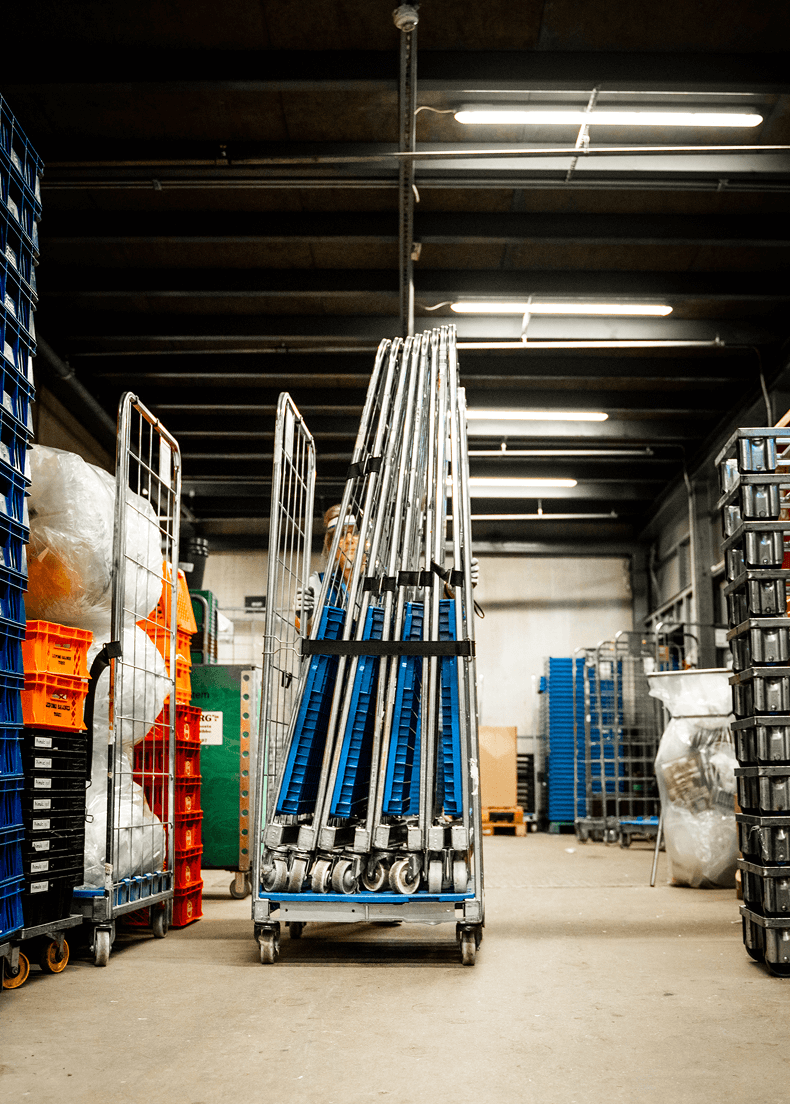
Roll containers prevent workplace injuries by eliminating heavy manual lifting, reducing repetitive strain, and providing ergonomic transport solutions. Their wheeled mobility, stable design, and safety features like secure locking mechanisms significantly decrease the risk of back injuries, slips, and equipment-related accidents in logistics environments.
Understanding Workplace Safety in Material Handling Operations
Workplace injuries in logistics environments pose significant challenges for both workers and operations. Common injuries include musculoskeletal disorders from heavy lifting, repetitive strain injuries, and accidents caused by unstable equipment or poor visibility during material transport.
Proper equipment selection plays a crucial role in injury prevention. When workers rely on manual lifting and carrying, they face increased risks of back injuries, muscle strains, and fatigue-related accidents. The physical demands of repeatedly moving heavy loads without appropriate support equipment can lead to long-term health issues and reduced productivity.
Roll containers serve as essential injury prevention tools by addressing these fundamental safety concerns. They transform manual material handling into a more ergonomic process, reducing physical strain whilst maintaining operational efficiency.
What Are the Main Causes of Workplace Injuries in Logistics?
The primary causes of workplace injuries in logistics stem from manual lifting, repetitive motions, slips and falls, and equipment-related accidents. These injuries often result from inadequate material handling solutions and poor ergonomic practices.
Manual lifting represents the most significant risk factor. Workers frequently handle heavy boxes, products, and materials without proper mechanical assistance, leading to back injuries and muscle strains. The repetitive nature of lifting, carrying, and placing items throughout shifts compounds these risks.
Slips and falls occur when workers navigate cluttered aisles, carry loads that obstruct their vision, or encounter wet surfaces whilst transporting materials. Equipment-related accidents happen when using unstable carts, poorly maintained wheels, or inadequate securing mechanisms.
Environmental factors also contribute to injury rates. Poor lighting, narrow aisles, and time pressure can increase the likelihood of accidents during material handling operations.
How Do Roll Containers Reduce Manual Lifting Injuries?
Roll containers eliminate the need for manual lifting by providing wheeled mobility that allows workers to push or pull loads rather than carry them. This fundamental change in material handling technique significantly reduces stress on the back, shoulders, and arms.
The design of roll containers ensures proper load distribution across their base, preventing concentrated weight that could cause instability. Workers can load items at comfortable heights and transport multiple products simultaneously without bearing their weight directly.
Ergonomic handle positioning enables workers to maintain proper posture whilst moving loads. The handles are positioned at optimal heights to reduce bending and stretching, allowing for natural body mechanics during transport operations.
Space-efficient designs, including nestable and foldable options, mean workers can handle more products with fewer trips, reducing overall physical exertion and exposure to injury risks.
What Safety Features Make Roll Containers Injury-prevention Tools?
Roll containers incorporate multiple safety features designed to prevent workplace injuries. Stable wheel systems provide smooth movement and reliable directional control, reducing the risk of accidents caused by equipment malfunction or instability.
Secure locking mechanisms ensure containers remain stationary during loading and unloading operations. These locks prevent unexpected movement that could cause workers to lose balance or strain themselves whilst handling products.
Visibility enhancements, such as mesh structures and open designs, allow workers to see their path clearly and identify potential hazards. This improved visibility reduces collision risks and enables better navigation through warehouse environments.
Ergonomic handle designs feature comfortable grips and appropriate positioning to minimise hand and wrist strain. The handles are designed to accommodate different hand sizes and provide secure control during transport operations.
| Safety Feature | Injury Prevention Benefit | Application |
|---|---|---|
| Stable wheel systems | Prevents equipment-related accidents | Smooth transport and directional control |
| Locking mechanisms | Reduces strain during loading | Stationary positioning for safe handling |
| Mesh visibility | Prevents collisions and falls | Clear sight lines during transport |
| Ergonomic handles | Minimises hand and wrist strain | Comfortable grip and control |
Why Are Ergonomic Roll Containers Better for Worker Health?
Ergonomic roll containers support long-term worker health by incorporating proper height specifications that eliminate excessive bending and reaching. These design principles reduce cumulative stress on workers’ bodies during daily operations.
Easy manoeuvrability features, including smooth-rolling wheels and balanced weight distribution, require minimal physical effort to operate. Workers can transport heavy loads without experiencing the fatigue associated with manual carrying or pushing unstable equipment.
Reduced physical stress translates to fewer sick days, lower injury rates, and improved job satisfaction. When workers can perform their duties without constant physical strain, they maintain better health and productivity over time.
The ergonomic design also accommodates workers of different heights and physical capabilities, creating a more inclusive workplace environment that supports diverse teams effectively.
Key Benefits of Implementing Roll Containers for Workplace Safety
Implementing roll containers delivers comprehensive safety benefits that protect workers whilst improving operational efficiency. The primary advantage lies in injury reduction through eliminated manual lifting and improved ergonomic practices.
Operational improvements include faster material handling, reduced product damage, and decreased handling costs. Workers can move more items safely in less time, improving overall productivity whilst maintaining safety standards.
Long-term benefits extend beyond immediate safety improvements. Reduced injury rates lead to lower insurance costs, decreased absenteeism, and improved employee retention. These factors contribute to a more stable and efficient workforce.
The versatility of roll containers, available in various configurations including foldable and nestable options, allows organisations to address specific safety challenges whilst optimising storage and transport efficiency across their operations.
Discover Our Complete Range of Material Handling Solutions
Ready to enhance workplace safety with professional roll containers? Explore our comprehensive selection of material handling equipment designed to prevent injuries and improve operational efficiency. From ergonomic roll containers to specialised transport solutions, we offer equipment that prioritises worker safety whilst maximising productivity.
Our expert team is ready to help you select the ideal safety solutions for your specific workplace needs. Contact us today to discuss how our injury-prevention equipment can transform your material handling operations and create a safer working environment for your team.