




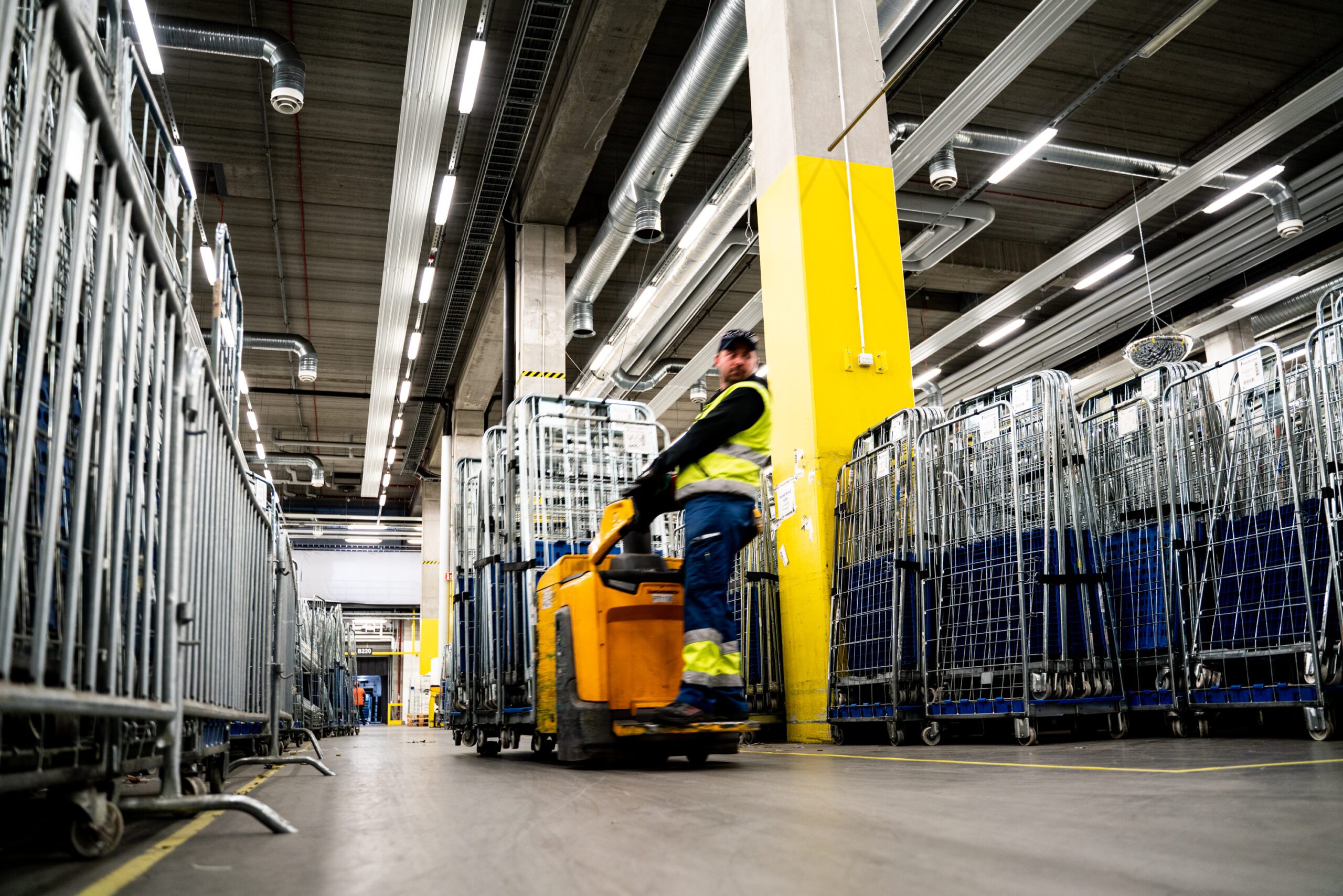
Roll containers reduce operational costs by streamlining material handling processes, eliminating manual lifting requirements, and maximising space utilisation through stackable designs. These wheeled transport solutions lower labour expenses, reduce warehouse footprint needs, and improve loading efficiency, delivering significant cost savings across logistics operations whilst enhancing workplace safety and productivity.
Understanding roll containers and their impact on logistics costs
Roll containers serve as versatile material handling solutions that directly address the most significant cost drivers in modern logistics operations. These wheeled transport units transform how goods move through warehouses, distribution centres, and retail environments.
The primary cost areas where roll containers deliver measurable impact include labour expenses, space utilisation, and transportation efficiency. By replacing traditional manual handling methods, these solutions reduce the physical strain on workers whilst accelerating throughput rates.
Space optimisation represents another crucial benefit. Roll containers feature stackable designs that maximise storage density when not in use, whilst their standardised dimensions ensure efficient vehicle loading and warehouse space utilisation. This dual functionality addresses both storage and transportation cost pressures simultaneously.
Transportation costs decrease through improved cubic fill rates and reduced loading times. The wheeled design enables faster dock-to-shelf movement, reducing dwell times and improving overall supply chain velocity.
How do roll containers reduce labour costs in warehouse operations?
Roll containers significantly reduce labour costs by eliminating heavy lifting requirements and enabling single-person operation of material transport tasks. Workers can move substantially more goods with less physical effort, reducing fatigue and increasing productivity per hour worked.
The ergonomic benefits extend beyond immediate productivity gains. Reduced manual handling decreases workplace injury risks, lowering insurance costs and minimising absence-related expenses. Workers can maintain higher performance levels throughout their shifts without the physical strain associated with traditional lifting and carrying methods.
Loading and unloading processes become considerably faster with roll containers. Goods can be wheeled directly from delivery vehicles to storage areas or sales floors, eliminating intermediate handling steps. This streamlined workflow reduces the time required for each task, enabling the same workforce to handle greater volumes.
The reduced need for specialised equipment operators represents another significant saving. Unlike forklift operations that require certified operators, roll containers can be safely operated by any trained staff member, providing greater flexibility in workforce allocation and reducing training costs.
What space and storage cost savings do roll containers provide?
Roll containers deliver substantial space and storage cost savings through their stackable design and optimised footprint utilisation. When empty, multiple units nest together, requiring minimal storage space compared to rigid alternatives, effectively reducing warehouse footprint requirements.
The stackable design enables vertical storage optimisation, allowing facilities to store more units in the same floor space. This efficient storage capability reduces the need for additional warehouse square footage, directly impacting property costs and operational overheads.
Storage density improvements extend to both active and passive storage scenarios. During peak periods, roll containers can be efficiently stored in compact configurations, then quickly deployed as demand increases. This flexibility eliminates the need for permanent storage solutions that consume valuable floor space year-round.
Transportation space utilisation also improves significantly. The standardised dimensions of roll containers ensure optimal vehicle loading, maximising cubic capacity whilst maintaining load stability. This efficiency reduces the number of trips required, lowering fuel costs and driver expenses.
Warehouse layout optimisation becomes more achievable with roll containers. Their uniform dimensions enable precise space planning, reducing wasted areas and improving overall facility utilisation rates.
Key takeaways for implementing roll containers to reduce operational costs
Implementing roll containers delivers cost reductions across multiple operational areas, with labour savings typically representing the most immediate and measurable benefit. The combination of reduced manual handling, improved ergonomics, and faster throughput creates a compelling return on investment.
Space efficiency gains compound over time, as reduced storage requirements and improved warehouse utilisation lower facility costs. The stackable design and standardised dimensions provide long-term flexibility for changing operational needs.
Consider the total cost of ownership when evaluating roll container implementation. Beyond initial equipment costs, factor in reduced labour expenses, decreased injury risks, improved space utilisation, and enhanced operational efficiency.
Successful implementation requires proper staff training and workflow integration. Ensure teams understand optimal loading techniques and movement patterns to maximise the ergonomic and efficiency benefits.
Regular maintenance and proper handling extend roll container lifespan, protecting your investment whilst maintaining operational efficiency. Quality units provide years of reliable service, making them a cost-effective long-term solution for material handling challenges.
The scalability of roll container systems allows for gradual implementation, enabling organisations to realise benefits whilst managing capital expenditure effectively.
Explore our comprehensive material handling solutions
Ready to transform your operational efficiency with professional-grade roll containers and material handling equipment? Discover our extensive range of solutions designed to reduce costs and streamline your logistics operations. Browse our complete material handling product portfolio to find the perfect equipment for your specific requirements.
Our team of material handling experts is ready to help you identify the most cost-effective solutions for your operations. Contact us today to discuss your needs and receive personalised recommendations that will maximise your return on investment whilst improving workplace safety and productivity.