




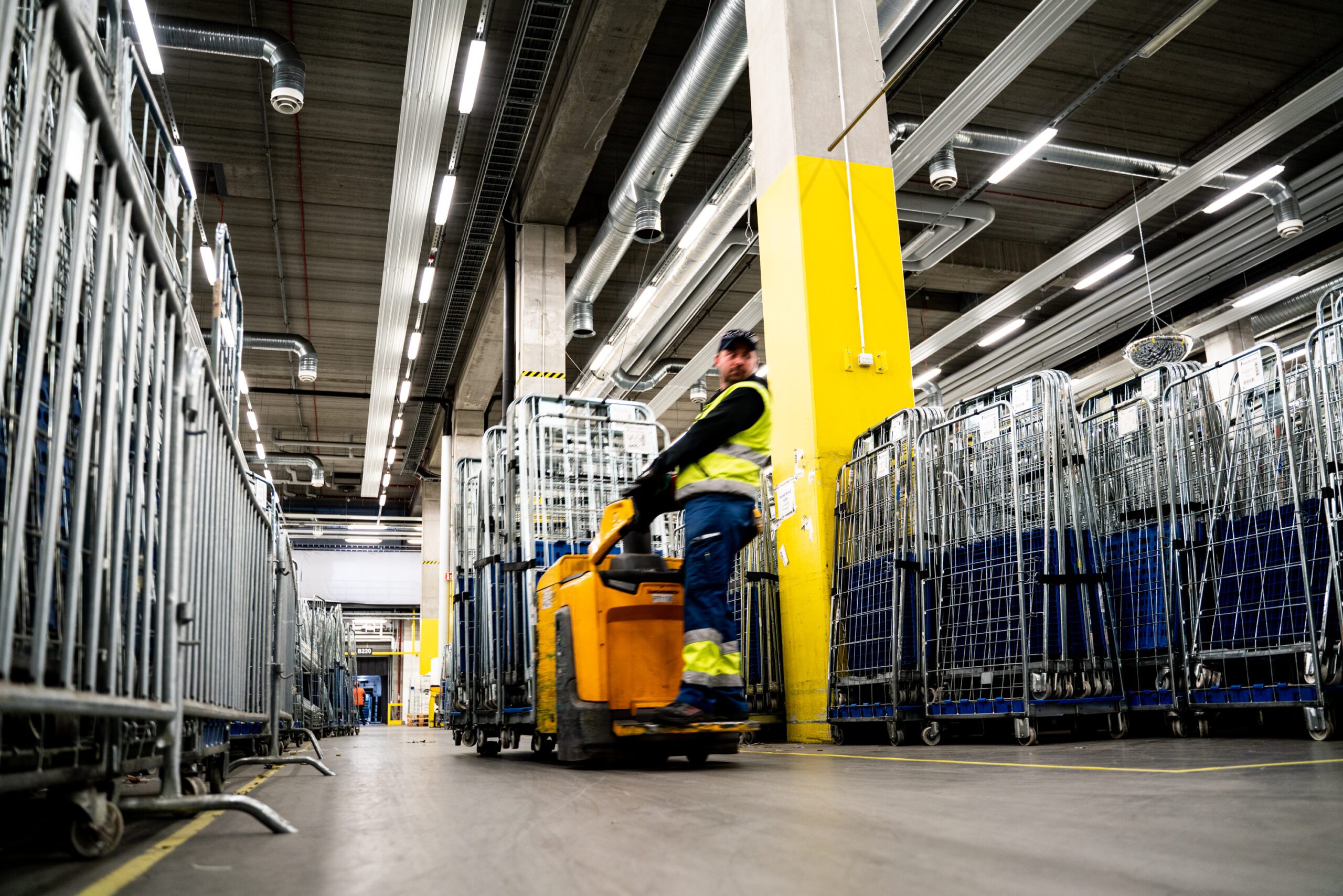
Roll containers streamline supply chain operations by providing mobile storage solutions that reduce manual handling, optimise space utilisation, and improve workflow efficiency throughout warehouses and distribution centres. These wheeled units enable faster loading and unloading processes whilst minimising labour requirements and enhancing ergonomic working conditions across the entire logistics chain.
Understanding roll containers in modern supply chain operations
Roll containers represent a fundamental shift in how modern supply chains approach material handling and storage efficiency. These mobile storage units serve as the backbone of streamlined logistics operations, enabling businesses to move products seamlessly from receipt through to dispatch.
The integration of roll containers into supply chain operations addresses critical challenges including labour shortages, safety concerns, and the need for faster throughput. By providing flexible storage solutions that can adapt to varying product types and volumes, roll containers eliminate many traditional bottlenecks in warehouse operations.
Their impact extends beyond simple storage, creating a foundation for lean logistics principles that reduce waste, improve space utilisation, and enhance overall operational efficiency. This makes them particularly valuable for retail, food manufacturing, and industrial production environments where speed and accuracy are paramount.
What are roll containers and how do they work?
Roll containers are wheeled storage units designed with sturdy frames, mesh or solid walls, and integrated castors that allow easy movement throughout warehouse facilities. Their construction typically features steel frameworks with removable or foldable sides to accommodate different product types and storage requirements.
The operational principle centres on mobility and accessibility. Workers can load products directly into the containers at receiving areas, then roll them to storage locations or dispatch points without additional handling steps. The integrated wheel systems enable smooth movement across various floor surfaces whilst maintaining stability during transport.
Many modern roll containers incorporate foldable designs that allow for compact storage when not in use. This feature significantly reduces the space required for empty container storage, addressing a common challenge in warehouse space management. The units can also be designed with specific dimensions to fit standard conveyor systems and automated handling equipment.
How do roll containers reduce handling time in warehouses?
Roll containers dramatically reduce handling time by eliminating multiple transfer points between storage and transport. Instead of moving products from pallets to shelves to picking containers, workers can utilise the same roll container throughout the entire process, reducing handling steps by up to 50%.
The mobility aspect enables workers to bring storage directly to picking locations rather than walking to fixed storage areas. This reduces travel time and allows for more efficient order fulfilment processes. Workers can prepare multiple orders simultaneously by positioning several roll containers in optimal picking sequences.
Loading and unloading processes become significantly faster as products can be accessed from multiple sides of the container. The ergonomic design reduces the physical strain associated with reaching into deep storage areas, enabling workers to maintain higher productivity levels throughout their shifts whilst reducing the risk of workplace injuries.
What makes roll containers more efficient than traditional storage methods?
Roll containers offer superior efficiency compared to traditional static storage through their adaptability and space optimisation capabilities. Unlike fixed shelving systems, roll containers can be repositioned based on current operational needs, seasonal demand patterns, or changing product lines.
The accessibility advantage is significant. Traditional storage often requires workers to navigate narrow aisles and reach into deep shelving units. Roll containers provide 360-degree access to stored products, reducing picking time and improving accuracy. This accessibility also enables better stock rotation and inventory management.
| Feature | Roll Containers | Traditional Storage |
|---|---|---|
| Mobility | Fully mobile, repositionable | Fixed location |
| Space Utilisation | Stackable, foldable when empty | Permanent space requirement |
| Access | Multi-directional access | Limited aisle access |
| Setup Time | Instant deployment | Installation required |
How do roll containers improve warehouse space utilisation?
Roll containers maximise warehouse space utilisation through their stackable design and ability to fold flat when empty. This dual functionality means the same storage area can accommodate significantly more inventory during peak periods whilst freeing up space during slower periods.
The vertical storage capabilities allow warehouses to utilise height more effectively than traditional pallet storage. Stackable configurations can increase storage density by 30-40% compared to conventional methods, particularly valuable in facilities with height restrictions or high property costs.
Aisle requirements are reduced as roll containers can be moved to wider areas for picking activities, then returned to compact storage configurations. This flexibility enables warehouses to adapt their layout based on operational needs without requiring permanent structural changes or additional equipment investments.
Key benefits and implementation considerations for roll containers
The primary benefits of implementing roll containers include substantial cost savings through reduced labour requirements, improved safety through better ergonomics, and enhanced scalability as operations grow. These units typically deliver return on investment within 12-18 months through operational efficiency gains.
Implementation success depends on proper sizing to match existing infrastructure, including door widths, lift capacities, and floor surfaces. Training programmes should focus on proper loading techniques and maintenance procedures to maximise container lifespan and ensure safety compliance.
Consider integration with existing warehouse management systems to track container locations and contents. This technological integration enhances inventory accuracy and enables better resource planning. The scalability of roll container systems makes them particularly suitable for businesses experiencing growth or seasonal fluctuations in storage requirements.
Roll containers represent a proven solution for streamlining supply chain operations across diverse industries. Their combination of mobility, efficiency, and adaptability addresses many traditional warehouse challenges whilst providing a foundation for future automation and growth.
Explore our comprehensive material handling solutions
Ready to transform your warehouse operations with professional-grade roll containers? Discover our complete range of material handling equipment designed to optimise your supply chain efficiency and reduce operational costs.
Our expert team is ready to help you select the ideal roll container solutions for your specific operational requirements. Contact us today to discuss your material handling needs and receive personalised recommendations that will streamline your warehouse operations and enhance productivity across your entire supply chain.