




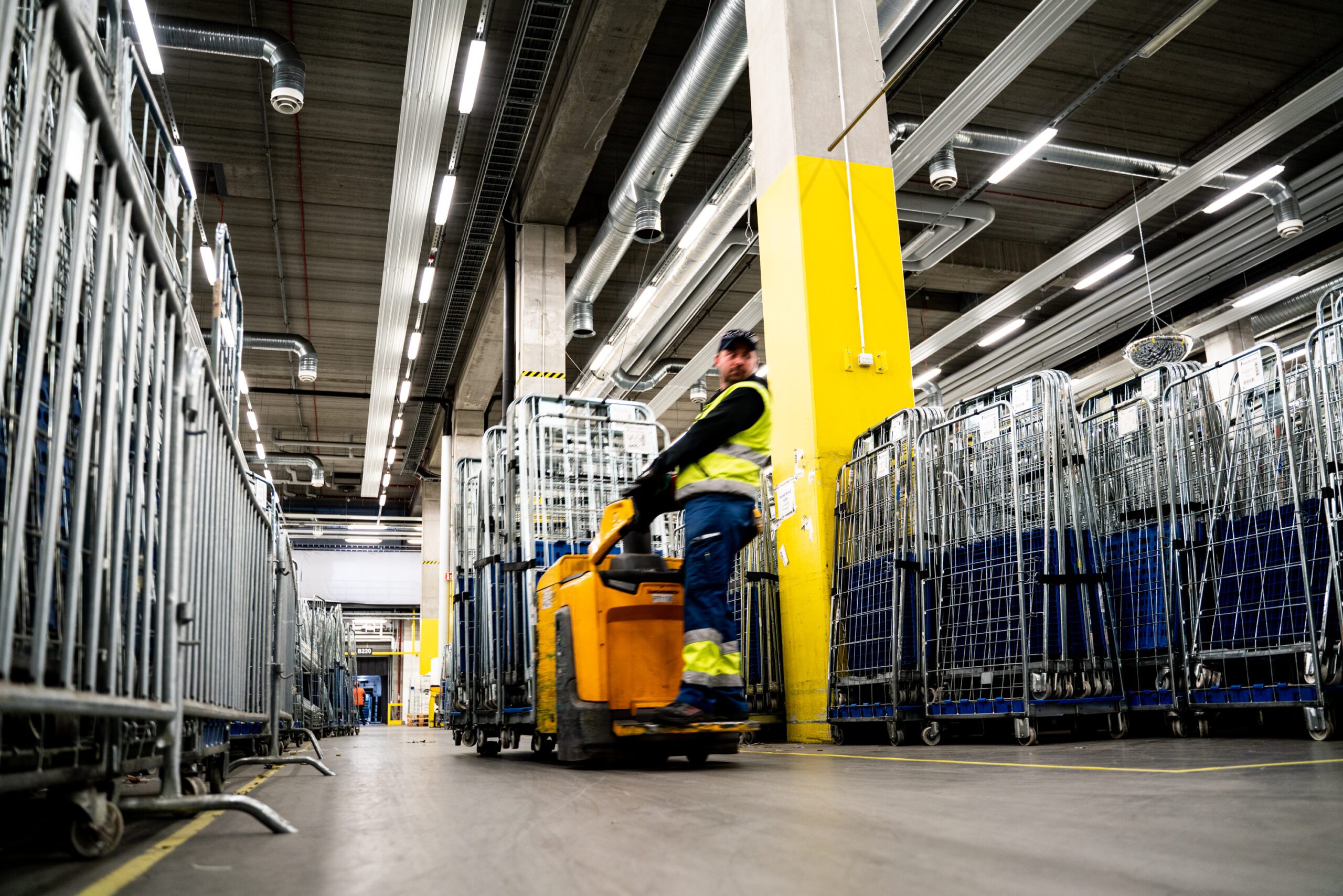
Using a roll container in logistics involves proper loading, safe handling, and systematic movement of goods throughout warehouses and distribution centres. Roll containers serve as mobile storage units that streamline material handling by allowing workers to transport multiple items efficiently whilst maintaining organisation and reducing manual lifting requirements.
Understanding roll containers in modern logistics operations
Roll containers represent essential material handling equipment that forms the backbone of efficient warehouse and transportation operations. These wheeled storage units streamline logistics processes by providing a mobile solution for transporting goods from receiving areas to storage locations and ultimately to dispatch points.
The fundamental role of roll containers in modern logistics centres on their ability to reduce handling time and operational costs. By eliminating the need for multiple manual transfers, these units significantly improve workflow efficiency whilst reducing the risk of product damage during transportation.
Roll containers are particularly valuable in retail distribution, food manufacturing, and industrial production environments where frequent movement of goods is required. Their space-efficient design allows for optimal utilisation of warehouse floor space whilst maintaining easy access to stored items.
What is a roll container and how does it work?
A roll container is a wheeled metal framework designed to hold and transport goods efficiently throughout logistics facilities. These units typically feature sturdy steel construction with mesh or solid sides, a flat base for stable loading, and four swivel wheels for easy manoeuvrability.
The basic structure includes vertical posts that form the container’s frame, horizontal supports for stability, and removable or hinged sides for easy loading access. Many roll containers feature foldable mechanisms that allow them to collapse when empty, significantly reducing storage space requirements.
Roll containers function as mobile storage units by containing products securely whilst allowing easy transportation. The wheel system enables smooth movement across various floor surfaces, whilst the open design provides excellent visibility of contents, reducing picking errors and improving inventory management.
| Component | Function | Key Features |
|---|---|---|
| Frame Structure | Provides structural support | Steel construction, various heights available |
| Wheel System | Enables mobility | Four swivel wheels, different sizes for various loads |
| Side Panels | Contains products securely | 2, 3, or 4-sided versions, removable options |
| Base Platform | Supports loaded goods | Flat surface, weight distribution design |
How do you properly load and handle a roll container?
Proper loading begins with placing heavier items at the bottom of the container and lighter items towards the top. This approach ensures optimal weight distribution and prevents the container from becoming top-heavy, which could cause instability during movement.
When loading, distribute weight evenly across the base platform to maintain balance. Avoid concentrating heavy items on one side, as this can cause the container to tip or become difficult to manoeuvre. Place items systematically to maximise space utilisation whilst maintaining easy access to frequently needed products.
Safe handling requires maintaining proper posture when pushing or pulling the container. Keep your back straight, use your legs for power, and maintain a firm grip on the handle. Always push rather than pull when possible, as this provides better control and reduces strain on your back and shoulders.
Essential loading and handling practices include:
- Check wheel functionality before loading
- Ensure the container is on level ground during loading
- Secure loose items to prevent shifting during transport
- Maintain clear sightlines when moving loaded containers
- Use ergonomic techniques to reduce physical strain
What are the safety protocols when using roll containers?
Safety protocols centre on adhering to weight limits, which typically range from 250 to 500 kilograms depending on the container design and wheel specification. Exceeding these limits can cause structural failure, wheel damage, or create unsafe handling conditions.
Proper securing methods involve using straps, nets, or containment systems when transporting loose items or materials that could shift during movement. This prevents products from falling and potentially causing injury to personnel or damage to goods.
Pedestrian safety considerations require maintaining awareness of surrounding personnel when moving containers. Always announce your approach in busy areas, move at controlled speeds, and ensure adequate clearance around corners and through doorways.
Workplace safety standards mandate regular inspection of containers for damage, proper maintenance of wheel systems, and adherence to designated traffic routes within the facility. Staff should receive training on proper handling techniques and emergency procedures.
How do you maintain and store roll containers effectively?
Effective maintenance requires regular cleaning procedures to remove debris, product residue, and contaminants that could affect functionality or hygiene standards. Use appropriate cleaning agents for your industry requirements, paying particular attention to wheel mechanisms and pivot points.
Inspection protocols should include checking wheel condition, frame integrity, and moving parts functionality. Look for signs of wear, damage, or deterioration that could compromise safety or performance. Address any issues immediately to prevent further damage or potential accidents.
Storage best practices involve utilising the foldable features of containers when available, stacking them systematically in designated areas, and protecting them from environmental factors that could cause corrosion or damage.
Tips for extending container lifespan include avoiding overloading, preventing impacts with fixed objects, lubricating moving parts as recommended, and storing containers in clean, dry environments when not in use.
Key takeaways for successful roll container implementation
Successful roll container implementation requires understanding proper loading techniques, maintaining strict safety protocols, and establishing regular maintenance routines. These practices ensure optimal performance whilst protecting both personnel and products throughout the logistics process.
The benefits of proper roll container usage include reduced handling costs, improved ergonomics, minimised product damage, and enhanced operational efficiency. When implemented correctly, these systems can significantly streamline warehouse operations and improve overall logistics performance.
By following these essential practices, logistics operations can achieve better space utilisation, reduced manual handling requirements, and improved workplace safety. The key lies in consistent application of proper techniques and ongoing commitment to maintenance and safety standards.
Enhance your material handling operations
Ready to optimise your logistics operations with professional-grade roll containers and material handling equipment? Explore our comprehensive range of material handling solutions designed to meet the demands of modern warehouses and distribution centres. From standard roll containers to specialised transport systems, we offer equipment that delivers reliability, efficiency, and long-term value.
Our expert team is ready to help you select the ideal material handling equipment for your specific operational requirements. Contact us today to discuss your logistics challenges and discover how our solutions can transform your warehouse efficiency whilst reducing operational costs and improving workplace safety.