




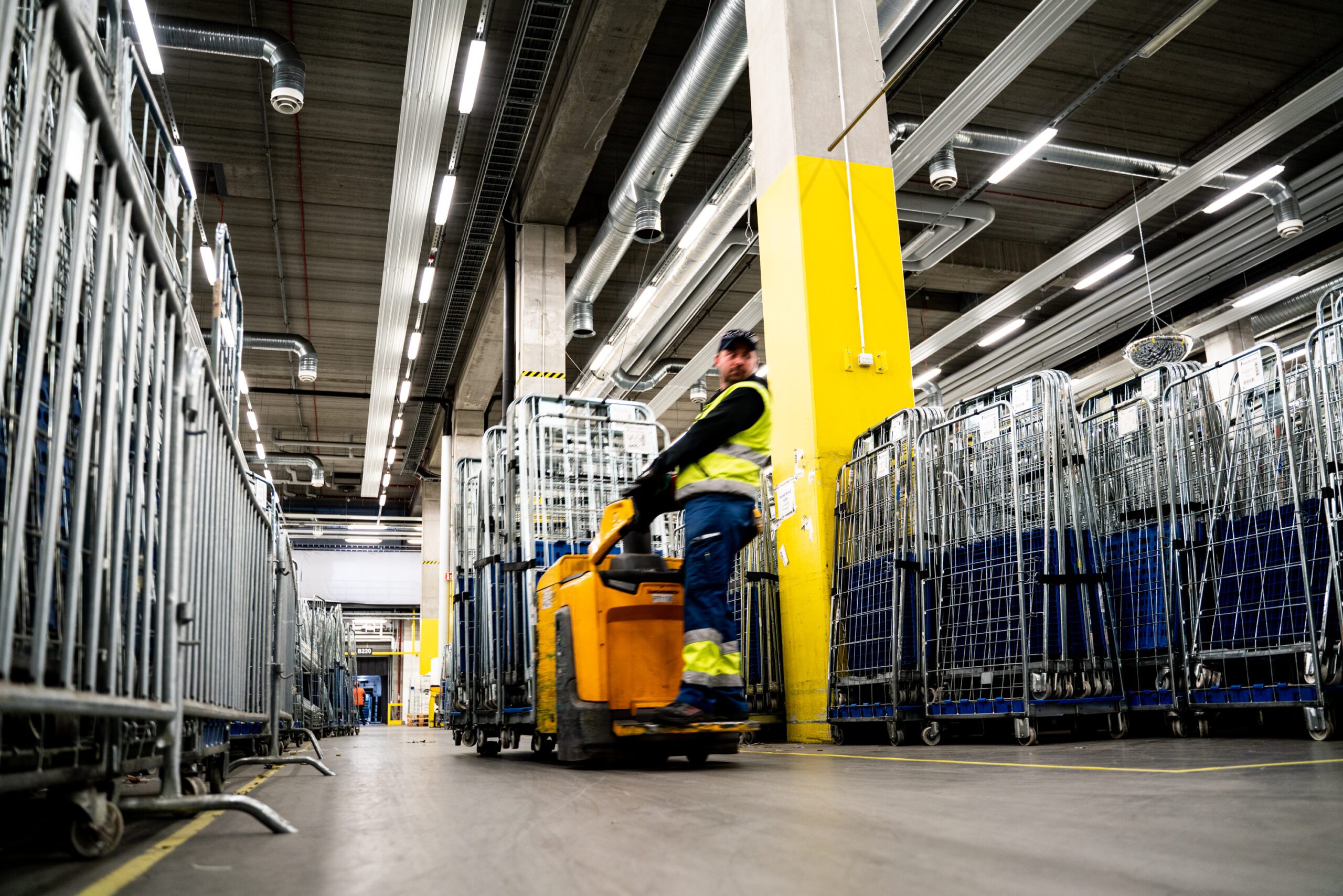
Yes, investing in roll containers can significantly improve your warehouse operations by reducing handling costs, optimising space utilisation, and enhancing worker ergonomics. These versatile material handling solutions offer excellent return on investment through reduced operational costs, improved efficiency, and better sustainability outcomes. The decision depends on your specific warehouse requirements, product types, and long-term logistics strategy.
Understanding roll containers as a warehouse investment
Roll containers represent a strategic investment in modern warehouse infrastructure, serving as mobile storage and transport units that streamline material handling operations. These wheeled containers integrate seamlessly into warehouse workflows, supporting everything from inventory management to last-mile delivery operations.
Businesses consider roll containers as strategic investments because they address multiple operational challenges simultaneously. They reduce manual handling requirements, optimise storage space through nestable or foldable designs, and contribute to lean logistics principles by eliminating waste in material flows.
The investment value extends beyond immediate operational benefits. Roll containers support sustainability targets by reducing packaging waste, particularly stretch foil usage, whilst improving workplace safety through better ergonomic design. This makes them particularly attractive for companies seeking comprehensive logistics improvements.
What are roll containers and how do they work?
Roll containers are wheeled, cage-like structures designed for transporting and storing goods within warehouses and throughout supply chains. They typically feature metal frames with mesh or solid sides, mounted on castors for easy mobility, and come in various configurations including 2-sided, 3-sided, and 4-sided versions.
The basic components include a robust metal frame, mesh or solid panels for containment, heavy-duty castors for smooth movement, and often removable or foldable elements for space-efficient storage when empty. Many modern designs incorporate foldable or nestable features that dramatically reduce storage requirements during return journeys.
Integration into warehouse workflows occurs through standardised dimensions that work with existing racking systems, conveyor belts, and loading equipment. Roll containers can be manually pushed or pulled, moved by tugger trains, or integrated into automated systems, making them adaptable to various operational setups.
What are the main benefits of using roll containers in warehouses?
The primary benefits include significant reductions in handling time and operational costs, improved space utilisation, and enhanced worker safety through better ergonomic design. Roll containers eliminate multiple manual handling steps by allowing goods to remain in the same container from warehouse to final destination.
Space optimisation represents a major advantage, particularly with foldable designs that can reduce empty container storage by up to 80%. This efficiency extends to transport, where nestable containers maximise vehicle utilisation and reduce return journey costs.
Ergonomic benefits include reduced lifting requirements, easier loading and unloading processes, and improved product visibility through mesh construction. This leads to fewer delivery errors and reduced workplace injuries. Additionally, roll containers contribute to sustainability goals by eliminating significant amounts of stretch foil and reducing product damage during transport.
| Benefit Category | Specific Advantages | Impact on Operations |
|---|---|---|
| Cost Reduction | Reduced handling time, lower labour costs | Improved operational efficiency |
| Space Efficiency | Foldable/nestable designs | Better warehouse utilisation |
| Ergonomics | Reduced lifting, easier movement | Improved worker safety |
| Sustainability | Reduced packaging waste | Environmental compliance |
How do roll containers compare to other material handling solutions?
Roll containers offer unique advantages over traditional pallets, bins, and carts through their combination of mobility, protection, and space efficiency. Unlike static pallets, roll containers provide continuous product protection whilst enabling direct delivery to point-of-sale locations without additional handling.
Compared to standard bins or crates, roll containers offer superior capacity and mobility whilst maintaining product visibility and accessibility. The wheeled design eliminates the need for separate handling equipment in many applications, reducing overall system complexity and costs.
Roll containers excel in scenarios requiring frequent movement, mixed product handling, and space-constrained environments. However, they may be less suitable for very heavy loads or applications requiring precise automated positioning. The choice depends on factors such as product characteristics, handling frequency, and integration requirements with existing systems.
What factors should you consider before investing in roll containers?
Key decision-making criteria include warehouse layout compatibility, product types and volumes, budget considerations, and integration requirements with existing systems. The physical dimensions and weight capacity must align with your specific product range and handling volumes.
Warehouse layout factors include aisle widths, door sizes, floor surfaces, and racking compatibility. Different roll container designs suit different environments, with foldable options ideal for operations with significant empty container movements, whilst nestable versions work well for continuous circulation systems.
Budget considerations extend beyond initial purchase costs to include maintenance, replacement parts, and potential savings from reduced labour and packaging materials. Long-term scalability requires evaluating how roll containers will adapt to changing business needs and potential automation integration.
Integration with existing systems involves compatibility with current material handling equipment, warehouse management systems, and supply chain partners. Standardised dimensions and features ensure seamless integration whilst maintaining operational flexibility.
Key takeaways for making your roll container investment decision
The decision to invest in roll containers should be based on a comprehensive evaluation of your operational requirements, cost-benefit analysis, and strategic logistics objectives. Focus on solutions that address your specific challenges whilst providing scalability for future growth.
Essential considerations include calculating potential savings from reduced handling costs, space optimisation benefits, and sustainability improvements. Consider the total cost of ownership, including maintenance and replacement cycles, rather than just initial purchase prices.
Your next steps should involve conducting a detailed assessment of current material handling processes, identifying specific pain points that roll containers could address, and evaluating different container types against your operational requirements. This systematic approach ensures you select the most appropriate solution for your warehouse investment.