




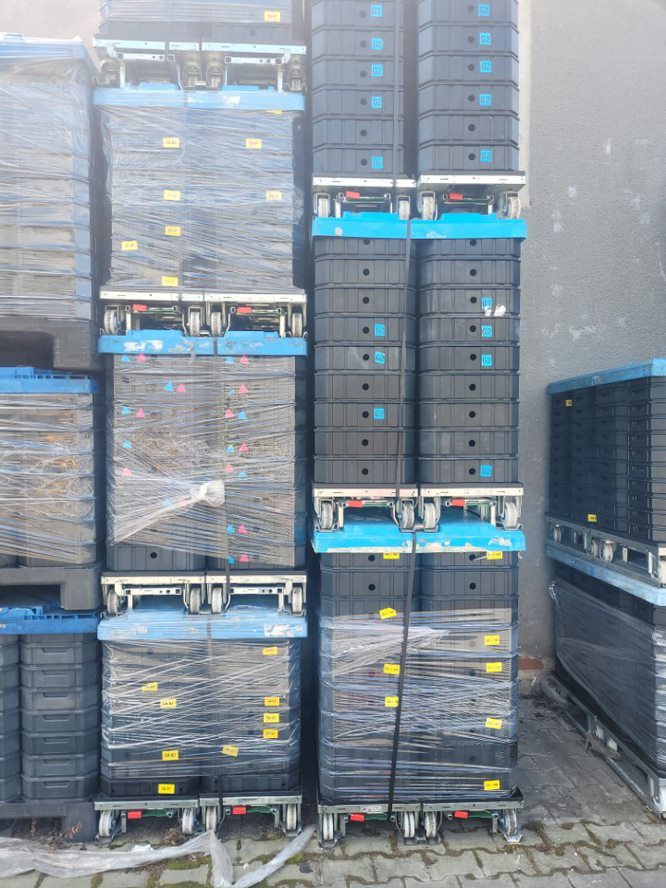
Warehouse dollies are essential material handling equipment used in logistics operations to transport goods efficiently across warehouse floors. They come in several varieties including platform dollies, furniture dollies, hand trucks, panel dollies, and specialty dollies—each designed for specific applications and load types. The right dolly improves operational efficiency by reducing manual handling, preventing injuries, and enabling faster movement of materials throughout the facility.
What exactly are dollies in warehousing?
Warehouse dollies are low-profile wheeled platforms designed to transport goods across flat surfaces with minimal effort. These essential material handling equipment items serve as the foundation of efficient logistics operations by enabling workers to move heavy or bulky items without lifting them. Dollies distribute weight evenly across their platforms and wheels, reducing physical strain while increasing the volume and weight of materials that can be moved in a single trip.
Unlike more complex material handling equipment, dollies are typically non-powered and rely on manual pushing or pulling. Their simple yet effective design makes them versatile tools in the logistics chain, bridging the gap between stationary storage and powered transport systems like forklifts or automated guided vehicles.
Dollies play a crucial role in the first and last mile of warehouse operations—moving goods from receiving areas to storage locations and from picking areas to shipping stations. Their importance in logistics cannot be overstated, as they enable continuous movement of materials throughout facilities of all sizes while minimizing handling costs and maximizing workforce productivity.
What are the main types of dollies used in warehouses?
Warehouses utilize several distinct types of dollies, each engineered for specific applications and load characteristics. Understanding these variations helps logistics managers select the right equipment for particular material handling challenges. The five main categories of warehouse dollies include:
Platform dollies
Platform dollies feature flat, rectangular surfaces supported by four or more wheels. These versatile workhorses can handle loads ranging from 500 to 3,000 pounds depending on their construction. Their open design accommodates irregularly shaped items that wouldn’t fit on specialized dollies. Platform dollies come in various sizes, from compact 18″ × 24″ models to expansive 48″ × 96″ versions for bulkier loads.
Furniture dollies
Furniture dollies are carpet-covered platforms specifically designed to transport furniture and finished goods without causing damage. The carpeted surface provides friction that prevents items from sliding during transport while protecting delicate finishes from scratches. These dollies typically feature corner bumpers to protect walls and doorways during navigation through tight spaces.
Hand trucks (upright dollies)
Hand trucks combine a vertical handle with a small horizontal platform and two wheels, creating an L-shaped tool that leverages mechanical advantage. Users can slide the platform under a load, tilt the truck back, and balance the weight over the wheels. This design allows a single worker to move heavy items (up to 600 pounds) with minimal effort. Convertible hand trucks can transform into horizontal platform dollies for added versatility.
Panel dollies
Panel dollies are specialized for transporting flat, sheet materials like plywood, drywall, glass panels, or doors. They feature vertical supports that secure these awkward items in an upright position, making them easier to maneuver than if carried flat. The vertical orientation minimizes the footprint required to transport these materials through narrow warehouse aisles.
Specialty dollies
Specialty dollies address unique material handling requirements across various industries. Examples include drum dollies for safely moving liquid containers, pallet dollies that slide under standard pallets, steer dollies with directional control mechanisms, and hydraulic dollies that provide lifting capabilities. These purpose-built solutions enhance efficiency for specific warehouse applications where standard dollies would be insufficient.
How do different industries use warehouse dollies?
Different industries adapt dolly usage to their specific operational requirements, inventory characteristics, and facility layouts. While the basic function remains consistent—moving materials efficiently—the implementation varies significantly across sectors:
In retail environments, dollies facilitate quick stock replenishment from back-of-house storage to sales floors. Furniture dollies prove particularly valuable for moving display fixtures and large boxed merchandise without damaging finished products. During seasonal rushes, retailers rely heavily on platform dollies to transport multiple cartons simultaneously, maintaining stock levels during peak demand periods.
Manufacturing facilities employ heavy-duty platform dollies to transport components between production stations, creating flexible material flow systems that can adapt to changing production requirements. Specialty dollies designed for specific parts or subassemblies ensure safe transport of sensitive components. Panel dollies move sheet materials from storage to cutting stations with minimal risk of damage.
Distribution centers leverage comprehensive dolly systems for efficient order fulfillment operations. Hand trucks excel in pick operations where workers must collect items from various warehouse locations. Platform dollies serve staging areas where orders are consolidated before shipping. The mobility and versatility of dollies complement automated systems, handling exceptions and providing redundancy when automated systems require maintenance.
E-commerce fulfillment operations particularly benefit from dollies during peak seasons when order volumes surge beyond automated system capacities. Workers use dollies to transport picked items to packing stations and move completed packages to dispatch areas. The ability to quickly deploy additional dollies during high-demand periods provides crucial operational flexibility without significant capital investment.
What features should you look for when selecting warehouse dollies?
Selecting the right warehouse dollies requires careful consideration of several critical features that determine performance, durability, and suitability for specific applications. When evaluating dolly options, focus on these key characteristics:
Weight capacity stands as the primary selection criterion for any dolly. Matching the dolly’s rated capacity to your typical and maximum loads prevents equipment failure and workplace accidents. Safety factors should be incorporated—choosing dollies rated at least 15-20% above your expected maximum loads provides operational margin. Remember that exceeding rated capacities not only risks immediate failure but also accelerates wear on components.
Maneuverability features significantly impact operational efficiency. Consider wheel size (larger wheels navigate uneven surfaces better), wheel material (rubber provides better grip while polyurethane offers lower rolling resistance), and steering mechanisms. Swivel casters on all four corners maximize maneuverability in tight spaces, while fixed casters on two ends with swivel casters on the opposite end improve directional stability for longer runs.
Construction materials determine a dolly’s durability, weight, and suitability for specific environments. Steel dollies offer maximum durability and higher weight capacities but add significant weight. Aluminum provides an excellent strength-to-weight ratio, reducing operator fatigue. Plastic or composite dollies resist corrosion and work well in wet environments but typically support lower weight capacities.
Ergonomic considerations ensure dollies enhance rather than hinder worker productivity. Look for handle designs that provide comfortable grip positions at appropriate heights. Handle placement should promote natural pushing postures rather than awkward pulling. Edge guards and bumpers protect both the dolly and facility infrastructure during inevitable collisions.
How do dollies improve warehouse efficiency and safety?
Warehouse dollies deliver substantial efficiency and safety benefits when properly integrated into logistics operations. Their impact extends beyond simple labor reduction to comprehensive operational improvements:
From a productivity perspective, dollies enable workers to move significantly more material per trip, reducing the time and labor required for transport tasks. A single worker with an appropriate dolly can often move loads that would otherwise require multiple people or powered equipment. This multiplication of human capability transforms movement economics throughout the facility, allowing more work to be accomplished with fewer resources.
Ergonomically, dollies prevent injuries by eliminating manual lifting of heavy objects. By converting lifting tasks to pushing or pulling movements, dollies reduce strain on workers’ backs, shoulders, and knees. This injury prevention translates directly to reduced absenteeism, lower workers’ compensation costs, and improved workforce retention. The ergonomic benefits are particularly valuable in operations with aging workforces.
Dollies optimize warehouse space utilization by enabling narrower aisles than would be required for powered equipment like forklifts. Their compact footprint allows materials to be moved through congested areas or temporary pathways created during peak operations. This flexibility proves especially valuable in older facilities or operations with fluctuating inventory levels that create changing space constraints.
From a safety perspective, dollies present fewer hazards than powered equipment. Their lower speeds and mechanical simplicity reduce accident severity when incidents occur. Proper dolly selection and maintenance establishes a foundation for safe material movement, while employee training on proper loading techniques and movement best practices further enhances safety outcomes.
When implemented thoughtfully as part of a comprehensive material handling strategy, warehouse dollies deliver an exceptional return on investment through their combination of simplicity, versatility, and effectiveness. Their continued relevance even in highly automated facilities demonstrates their fundamental value to efficient logistics operations.
Enhance Your Warehouse Operations with Professional Material Handling Solutions
Understanding the importance of proper material handling equipment is just the beginning. To maximize your warehouse efficiency and safety, explore our comprehensive range of material handling equipment solutions designed to meet diverse operational requirements across industries.
Whether you’re looking to upgrade your current dolly systems, implement new material handling strategies, or need expert guidance on optimizing your warehouse operations, our team is ready to help. Contact us today to discuss your specific requirements and discover how our innovative logistics solutions can transform your operational efficiency while maintaining the highest safety standards.