




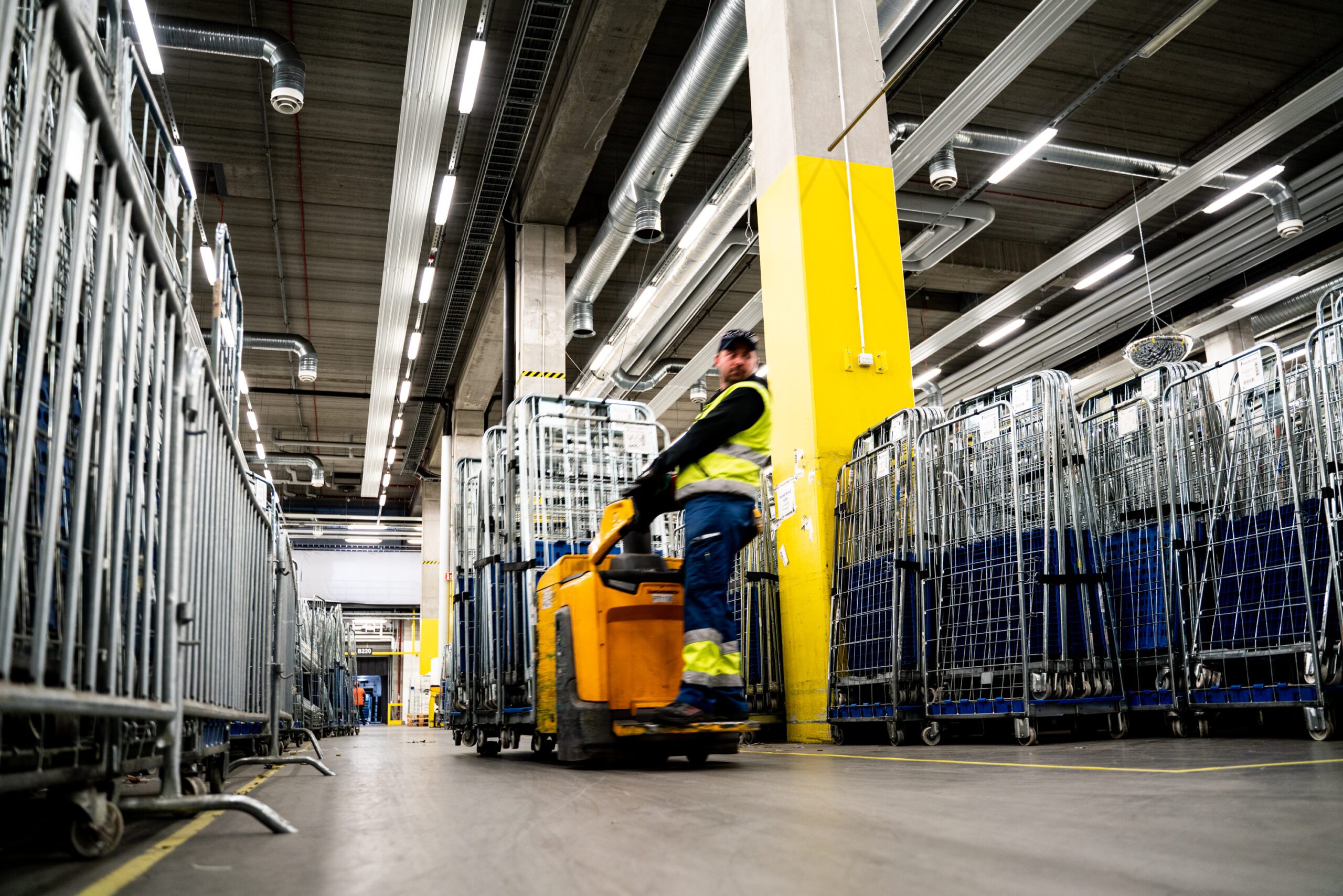
Roll containers deliver significant long-term cost benefits through reduced transportation expenses, lower labour costs, minimal maintenance requirements, and improved operational efficiency. These durable material handling solutions typically generate positive returns within the first year of implementation while providing decades of reliable service across retail, logistics, and manufacturing operations.
Understanding the Financial Impact of Roll Containers in Modern Logistics
Roll containers represent one of the most cost-effective material handling solutions available to modern businesses. These versatile units dramatically reduce operational expenses across multiple areas of logistics operations, from warehouse storage to last-mile delivery.
The financial impact extends across various industries including retail, logistics, and manufacturing. Companies utilising roll containers experience immediate reductions in handling time and costs whilst simultaneously improving ergonomics and reducing product damage. The space-efficient design of these containers, available in 2, 3, and 4-sided versions with different frame options, allows businesses to maximise their storage and transportation capacity.
Whether choosing foldable solutions or nestable models, organisations can drastically reduce handling costs both in warehouse operations and during final delivery stages. The versatility of roll containers makes them suitable for diverse applications, from automated conveyor systems to manual handling operations.
How Do Roll Containers Reduce Transportation and Storage Costs?
Roll containers deliver substantial savings through space optimisation and reduced fuel consumption. When not in use, foldable models collapse to a fraction of their operational size, whilst nestable versions stack efficiently to minimise storage requirements.
The space-efficient design enables businesses to transport more goods than air, maximising vehicle cubic fill rates. This improved loading efficiency directly translates to reduced fuel consumption per unit transported. Additionally, the robust construction of roll containers often eliminates the need for additional packaging materials such as stretch foil, with some implementations reducing foil usage by over 130 tonnes annually.
Storage costs decrease significantly due to the compact nature of roll containers when not in use. Foldable cages and containers require minimal warehouse space for storage, freeing up valuable floor area for revenue-generating activities. The stackable design further enhances storage efficiency, allowing businesses to store more units in the same footprint.
What Are the Labour Cost Savings from Using Roll Containers?
Labour cost reductions stem from reduced manual handling requirements and improved operational efficiency. Roll containers eliminate unnecessary manual handling steps, such as reloading boxes from pallets to carts, streamlining the entire logistics process.
The ergonomic design of roll containers significantly reduces workplace injuries and associated costs. Easy loading and unloading processes, combined with excellent product visibility through mesh structures, reduce delivery errors and the time required for order verification. This improved ergonomics leads to better employee satisfaction and reduced absenteeism.
Faster loading and unloading processes directly impact labour productivity. The containers can be easily rolled into points of sale for fast product replenishment and display promotions, reducing the time staff spend on these activities. The reduced need for specialised equipment operators further contributes to labour cost savings, as standard warehouse personnel can efficiently handle these containers.
How Do Roll Containers Minimise Maintenance and Replacement Expenses?
The durable construction materials used in roll containers ensure exceptional longevity compared to alternative solutions. These containers are designed and tested to withstand demanding operational environments whilst maintaining structural integrity over extended periods.
Roll containers are inherently low maintenance, requiring minimal ongoing investment to maintain optimal performance. The robust design ensures close to zero product damage, reducing replacement costs for damaged goods. The smooth-rolling wheels and sturdy frames reduce wear and tear on warehouse floors, potentially extending the lifespan of facility infrastructure.
The frequency of equipment replacement decreases significantly with roll containers due to their extended operational life. Unlike disposable packaging solutions or less durable alternatives, quality roll containers can provide decades of reliable service, making them a sound long-term investment for businesses seeking sustainable logistics solutions.
What Is the Return on Investment Timeline for Roll Container Implementation?
Most businesses experience positive returns within the first year of roll container implementation, with many seeing benefits within months. The rapid payback period results from immediate reductions in labour costs, packaging materials, and transportation expenses.
Several factors affect ROI calculations, including current handling methods, operational volume, and specific container configurations chosen. Higher-volume operations typically see faster returns due to the scalable nature of the savings. The cumulative savings over time become increasingly significant as the containers continue providing value year after year.
Compared to traditional material handling methods, roll containers offer superior financial benefits through their combination of durability, efficiency, and versatility. The initial investment is quickly offset by operational savings, whilst the long-term benefits continue accumulating throughout the containers’ extended lifespan.
Key Takeaways for Maximising Long-term Cost Benefits with Roll Containers
The primary cost-saving advantages of roll containers include reduced transportation costs, lower labour expenses, minimal maintenance requirements, and decreased product damage. These benefits compound over time, creating substantial long-term value for businesses.
Best practices for implementation include selecting the appropriate container type for specific applications, whether foldable or nestable models, and ensuring proper integration with existing logistics processes. Training staff on optimal usage techniques maximises the ergonomic and efficiency benefits.
Strategic considerations for businesses include evaluating current handling costs, assessing storage requirements, and planning for scalability. Companies should consider the versatility of roll containers across different applications, from automated systems to manual operations, ensuring maximum utilisation of their investment.
The long-term financial benefits of roll containers extend beyond immediate cost savings to include improved sustainability, enhanced worker safety, and increased operational flexibility. These factors contribute to a comprehensive return on investment that supports business growth and competitiveness in the modern logistics landscape.
Discover Our Complete Range of Material Handling Solutions
Ready to transform your logistics operations with cost-effective roll containers? Explore our comprehensive selection of material handling equipment to find the perfect solution for your business needs. From foldable containers to nestable models, our extensive product range offers solutions for every industry and application.
Take the next step towards optimising your operations and maximising your return on investment. Contact our experts today to discuss your specific requirements and discover how our roll containers can deliver immediate cost savings and long-term value for your business.