




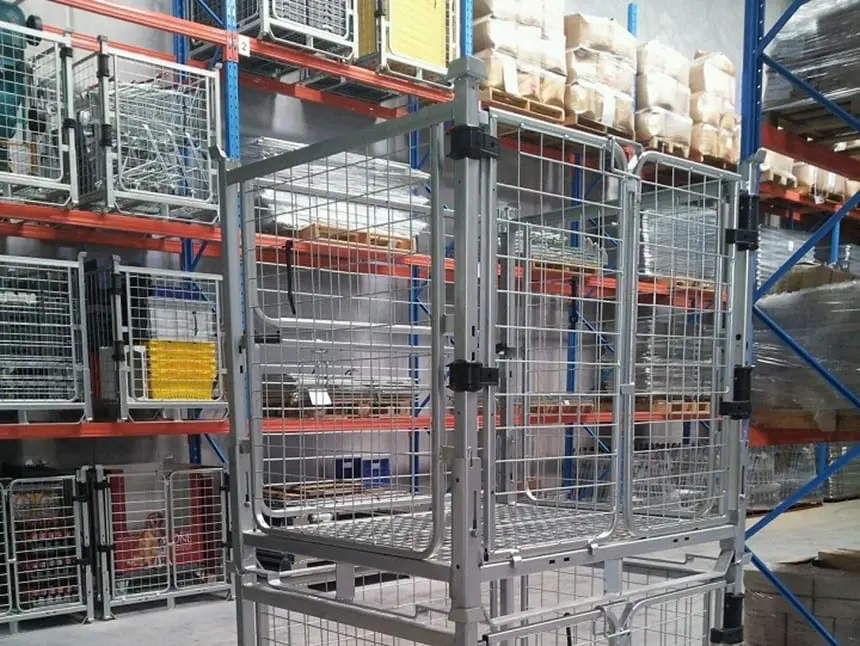
Foldable cage systems integrate with various automation technologies including RFID tracking, autonomous mobile robots, conveyor systems, and warehouse management software to create efficient, space-saving logistics solutions. These integrations enable automated material handling, real-time inventory tracking, and optimised warehouse operations that reduce manual labour whilst maximising productivity.
Understanding automation integration with foldable cage systems
Modern automation technologies transform foldable cage systems into intelligent material handling solutions that streamline warehouse operations. These integrations combine the space-saving benefits of foldable cages with advanced automation capabilities to create more efficient logistics environments.
The primary advantage lies in the seamless connection between physical storage solutions and digital control systems. When foldable cages are equipped with identification technologies and integrated with automated systems, they become trackable assets that can be monitored, directed, and managed automatically throughout the supply chain.
Automation integration also enables predictive maintenance scheduling, optimised space utilisation, and reduced operational costs. The combination of foldable cage flexibility with automated precision creates logistics solutions that adapt to changing demands whilst maintaining consistent performance levels.
What automated identification systems work with foldable cages?
RFID tags, barcode systems, and smart sensors are the primary identification technologies that integrate effectively with foldable cage systems. These systems enable automatic tracking and real-time visibility throughout the entire supply chain without requiring manual scanning or data entry.
RFID technology offers the most comprehensive tracking capabilities, allowing multiple cages to be identified simultaneously without direct line-of-sight scanning. Passive RFID tags can be permanently attached to cage frames, providing unique identification that persists through folding and unfolding cycles.
Barcode systems provide cost-effective identification solutions, particularly suitable for operations with established scanning infrastructure. QR codes offer enhanced data capacity and can store additional information about cage contents, destinations, or handling instructions.
Smart sensors add environmental monitoring capabilities, tracking temperature, humidity, or shock levels during transport. These sensors integrate with IoT platforms to provide comprehensive cage and content monitoring throughout the logistics process.
How do autonomous mobile robots integrate with foldable cage systems?
Autonomous mobile robots (AMRs) and automated guided vehicles (AGVs) integrate with foldable cage systems through specialised pickup and delivery mechanisms that automatically transport cages throughout warehouse environments. These robots use navigation technologies including laser guidance, magnetic strips, or vision systems to move cages efficiently between locations.
The integration typically involves robotic platforms equipped with lifting mechanisms or towing systems designed specifically for foldable cage dimensions and weight capacities. Advanced AMRs can automatically engage with cage bases, lift them to transport height, and navigate predetermined routes whilst avoiding obstacles.
Modern robotic systems communicate directly with warehouse management systems to receive transport instructions, update cage locations, and report completion status. This integration enables fully automated material flow where robots collect filled cages from picking areas and deliver them to dispatch zones without human intervention.
Safety features include collision avoidance sensors, emergency stop capabilities, and load monitoring systems that ensure secure cage transport. The robots can also adapt to different cage configurations and handle both loaded and empty cages with appropriate speed and handling adjustments.
What sorting and conveyor automation features support foldable cages?
Automated sorting systems and conveyor integration support foldable cage operations through specialised material flow automation that handles cage dimensions, weights, and folding characteristics. These systems include powered roller conveyors, belt systems, and pneumatic sorting mechanisms designed for cage-compatible operations.
Conveyor systems must accommodate the specific footprint and height variations of foldable cages in both expanded and collapsed states. Advanced conveyor designs include adjustable guide rails, variable speed controls, and load sensors that adapt to different cage configurations automatically.
Automated sorting systems use scanning technology to read cage identification tags and direct them to appropriate destinations. Pneumatic diverters, mechanical pushers, and tilting mechanisms route cages based on predetermined sorting criteria such as destination, priority, or content type.
Integration with warehouse control systems enables dynamic routing decisions based on real-time operational requirements. The systems can also handle empty cage return processes, automatically directing collapsed cages back to storage areas or refilling stations.
How does warehouse management system integration enhance foldable cage operations?
Warehouse management system (WMS) connectivity creates comprehensive digital oversight of foldable cage operations through real-time data exchange, automated task assignment, and optimised resource allocation. This integration transforms physical cage movements into trackable, manageable digital processes.
The WMS integration enables automatic task generation based on cage locations, contents, and operational priorities. When a cage reaches a specific location, the system can automatically assign picking tasks, generate transport orders, or schedule maintenance activities without manual intervention.
Real-time data exchange provides complete visibility into cage utilisation, location tracking, and operational efficiency metrics. Managers can monitor cage turnover rates, identify bottlenecks, and optimise cage allocation based on actual usage patterns and demand forecasts.
Advanced WMS integration includes predictive analytics that anticipate cage requirements, optimise storage locations, and schedule maintenance activities. The system can also generate automated reports on cage performance, utilisation rates, and operational costs.
Key considerations for implementing automated foldable cage systems
Successful implementation requires careful evaluation of scalability requirements, return on investment calculations, and integration complexity with existing warehouse systems. These factors determine the appropriate automation level and implementation timeline for optimal results.
Scalability considerations include the ability to expand automation capabilities as operations grow, compatibility with different cage sizes and types, and flexibility to adapt to changing operational requirements. The chosen automation solution should accommodate future expansion without requiring complete system replacement.
Return on investment calculations must account for reduced labour costs, improved accuracy, increased throughput, and maintenance requirements. Consider both immediate operational benefits and long-term efficiency gains when evaluating automation investments.
Technical integration requirements include compatibility with existing warehouse management systems, network infrastructure capabilities, and staff training needs. Successful implementation also requires robust change management processes and ongoing technical support arrangements.
The integration of automation features with foldable cage systems represents a significant advancement in warehouse efficiency and operational capability. By combining identification technologies, robotic systems, conveyor automation, and intelligent software integration, these solutions create comprehensive material handling environments that reduce costs whilst improving accuracy and productivity.
Discover Our Complete Range of Material Handling Solutions
Ready to transform your warehouse operations with automated foldable cage systems? Explore our comprehensive range of material handling equipment to find the perfect solutions for your specific operational requirements. Our product portfolio includes advanced foldable cage systems designed for seamless automation integration.
Whether you’re planning to implement RFID tracking, integrate with autonomous mobile robots, or enhance your conveyor systems, our experts are ready to help you design the optimal solution. Contact our team today to discuss your automation requirements and discover how our foldable cage systems can revolutionise your warehouse efficiency and productivity.