




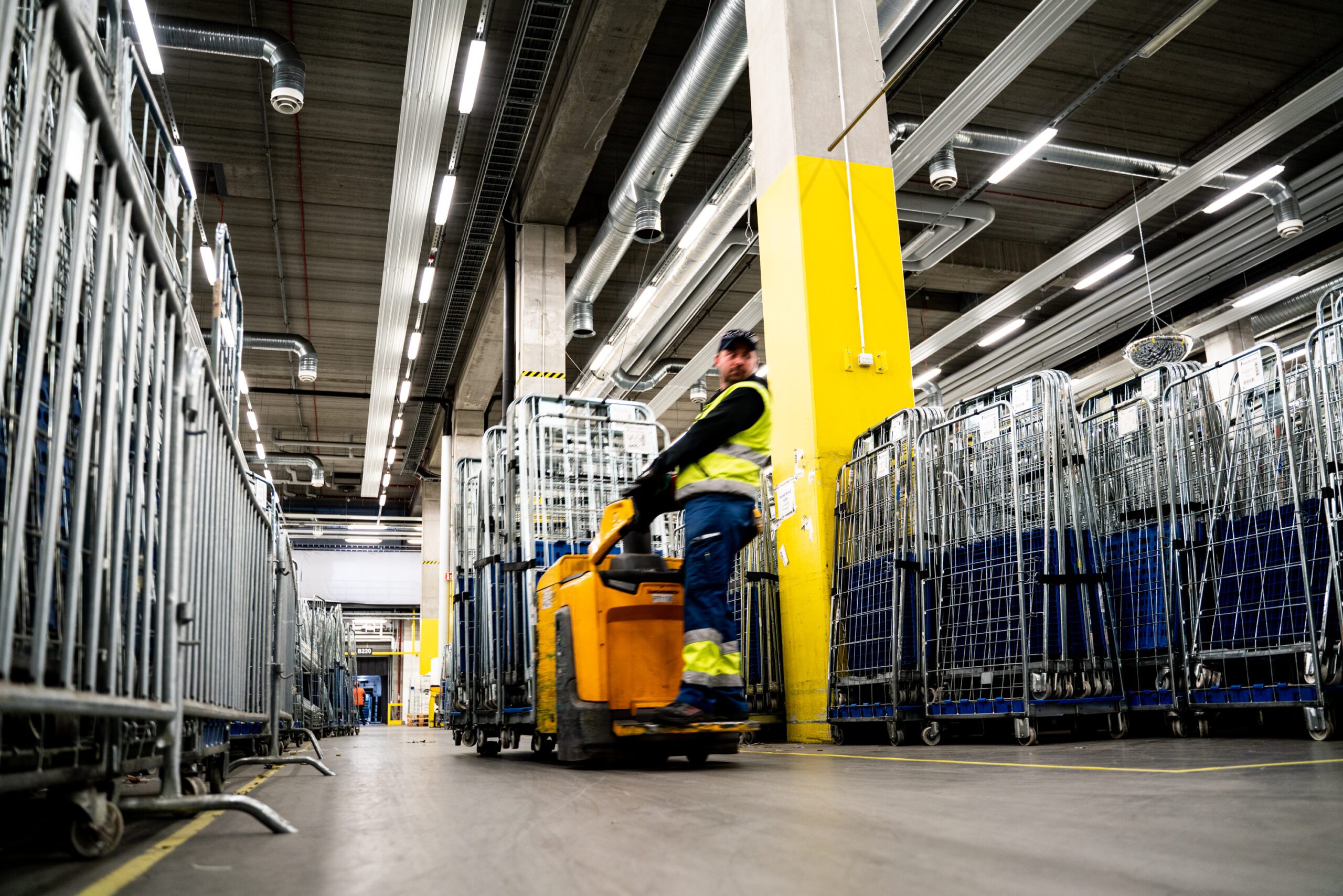
The ROI of investing in roll containers typically delivers significant returns through reduced labour costs, improved operational efficiency, and enhanced space utilisation. Most businesses experience payback periods between 12-24 months, with ongoing benefits including lower maintenance costs, reduced product damage, and improved workplace ergonomics that contribute to sustained profitability.
Understanding the Financial Impact of Roll Container Investments
Return on investment for roll containers encompasses multiple financial benefits that extend beyond simple equipment costs. The calculation includes direct savings from reduced handling time, lower labour requirements, and decreased product damage alongside indirect benefits such as improved workplace safety and enhanced operational efficiency.
Material handling equipment ROI fundamentally measures how quickly your initial investment pays for itself through operational improvements. Roll containers deliver value through streamlined logistics processes, reduced manual handling requirements, and optimised storage solutions that maximise warehouse space utilisation.
The financial impact becomes particularly evident in last-mile delivery operations and warehouse management, where efficient material flow directly correlates with reduced operational costs and improved productivity metrics.
What Factors Determine the ROI of Roll Containers?
Several key variables influence roll container ROI, with labour cost reduction typically representing the largest financial benefit. The primary factors include handling time reduction, space optimisation gains, maintenance requirements, and equipment durability.
Operational efficiency improvements stem from faster loading and unloading processes, reduced manual lifting requirements, and streamlined material flow. Space utilisation enhancements allow for higher storage density and improved warehouse layout efficiency.
Equipment durability significantly impacts long-term ROI, as high-quality roll containers reduce replacement costs and maintenance requirements. The choice between nestable and foldable solutions affects both initial investment and ongoing operational benefits, with each option offering distinct advantages depending on specific operational requirements.
How Do Roll Containers Reduce Operational Costs?
Roll containers reduce operational costs primarily through reduced manual handling requirements and improved ergonomics that decrease workplace injury rates. The wheeled design eliminates heavy lifting whilst enabling single-person operation for loads that would otherwise require multiple workers.
Faster loading and unloading times directly translate to labour cost savings, particularly in high-volume operations where efficiency gains compound throughout the workday. The improved ergonomics reduce workplace injuries, lowering insurance costs and minimising productivity losses from staff absences.
Space utilisation improvements allow businesses to maximise existing warehouse capacity without expansion costs. Nestable designs reduce storage requirements for empty containers, whilst foldable options enable efficient return transport and storage optimisation.
What Are the Long-term Financial Benefits of Roll Container Systems?
Long-term financial advantages include reduced equipment replacement costs due to superior durability and scalability benefits that accommodate business growth without proportional infrastructure investment. Quality roll containers typically provide years of reliable service with minimal maintenance requirements.
Enhanced inventory management capabilities result from improved product visibility and reduced handling damage. The consistent container dimensions enable better space planning and more accurate capacity calculations, supporting lean logistics principles.
Supply chain efficiency improvements create compound benefits over time, including reduced delivery errors, improved customer satisfaction, and enhanced operational reliability. These factors contribute to sustained competitive advantages that extend well beyond the initial investment period.
How Do You Calculate the Payback Period for Roll Container Investments?
Calculating payback periods requires comparing initial investment costs against quantified operational savings, including labour cost reductions, decreased product damage, and improved productivity metrics. The basic formula divides total investment by annual savings to determine break-even timeframes.
Operational savings quantification should include reduced handling time, lower labour requirements, decreased product damage costs, and improved space utilisation benefits. Productivity improvements encompass faster throughput, reduced error rates, and enhanced operational efficiency.
Timeline considerations must account for implementation phases, staff training periods, and gradual efficiency improvements as teams adapt to new equipment. Most businesses achieve full benefits within 3-6 months of implementation, with payback periods typically ranging from 12-24 months depending on operational intensity.
Maximising Your Roll Container Investment Returns
Optimising ROI requires proper implementation planning that includes staff training, maintenance protocols, and system integration with existing logistics operations. Successful deployment depends on matching container specifications to specific operational requirements and ensuring compatibility with current processes.
Staff training importance cannot be overstated, as proper usage techniques maximise efficiency benefits whilst extending equipment lifespan. Comprehensive training programmes should cover safe handling procedures, maintenance requirements, and optimal loading practices.
Maintenance best practices ensure sustained performance and extend equipment life, protecting your investment whilst maintaining operational efficiency. Regular inspections, proper cleaning protocols, and timely repairs prevent costly downtime and preserve the financial benefits of your roll container investment.
Integration with existing logistics systems maximises efficiency gains by creating seamless material flow throughout your operation. Consider how roll containers will interact with current warehouse management systems, transportation methods, and storage solutions to achieve optimal financial returns.
Ready to Transform Your Material Handling Operations?
The proven ROI of roll container investments makes them an essential component of modern logistics operations. To explore our comprehensive range of material handling equipment and discover the perfect solution for your specific operational requirements, browse our complete product portfolio.
Don’t wait to start realising the financial benefits of improved material handling efficiency. Contact our specialists today to discuss your operational challenges and receive expert guidance on optimising your roll container investment for maximum ROI. Our team will help you calculate potential savings and design a solution that delivers measurable results for your business.