




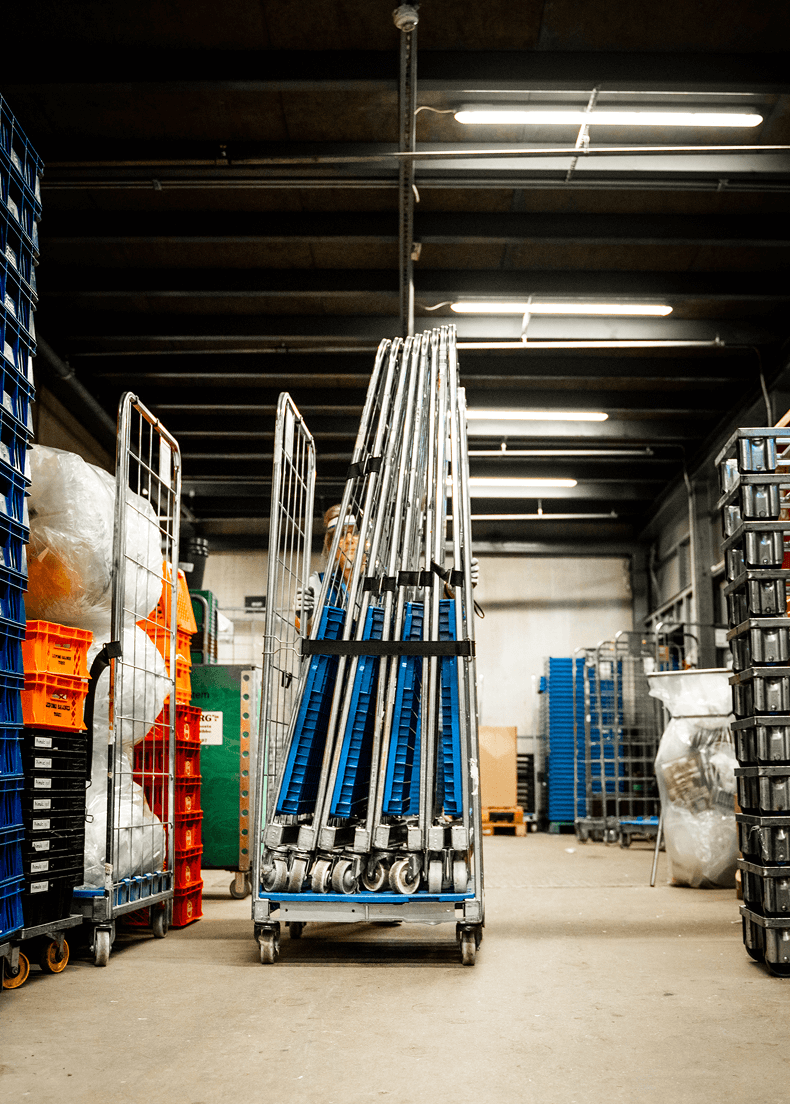
Roll containers provide substantial workforce savings by reducing manual labour requirements, improving operational efficiency, and minimising workplace injuries. These wheeled material handling solutions enable single-person operations for tasks that previously required multiple workers, whilst their ergonomic design significantly reduces handling time and associated labour costs throughout logistics operations.
Understanding Workforce Savings in Modern Logistics Operations
Workforce savings in logistics represent the reduction in labour costs achieved through improved operational efficiency and reduced manual handling requirements. Modern logistics operations face increasing pressure to optimise labour utilisation whilst maintaining service quality and workplace safety standards.
Efficient material handling equipment plays a crucial role in achieving these workforce savings by streamlining processes and reducing the physical demands on workers. Roll containers contribute significantly to labour cost reduction by enabling faster material transport, minimising manual lifting requirements, and allowing single operators to handle larger volumes of goods.
The implementation of roll containers creates measurable workforce savings through reduced handling time, decreased injury-related costs, and improved productivity per worker hour. These savings compound over time, creating substantial operational benefits for organisations across various logistics environments.
What Are Roll Containers and How Do They Reduce Manual Labour?
Roll containers are wheeled material handling units designed to transport goods efficiently whilst minimising manual handling requirements. These mobile storage solutions feature sturdy frames with integrated wheels, allowing workers to move substantial loads with minimal physical effort.
The design features of roll containers directly address manual labour reduction through several key elements. Their mobility eliminates the need for workers to carry heavy items manually, whilst their substantial capacity allows for consolidated transport of multiple products in a single journey. The ergonomic design ensures comfortable handling heights and smooth manoeuvrability.
Roll containers are available in various configurations including two-sided, three-sided, and four-sided versions, with options for both foldable and nestable designs. This versatility allows organisations to select solutions that best match their specific operational requirements whilst maximising labour efficiency gains.
How Do Roll Containers Improve Worker Productivity and Efficiency?
Roll containers enhance worker productivity by enabling faster material transport and reducing the time required for handling tasks. Workers can move significantly larger quantities of goods in a single trip compared to manual carrying, directly improving output per hour worked.
The streamlined workflow enabled by roll containers allows single-person operations for tasks that previously required multiple workers. This efficiency gain means organisations can accomplish the same work volume with fewer staff members, or alternatively, existing staff can handle increased workloads without proportional increases in effort or time.
Roll containers also reduce handling time by eliminating intermediate steps in material movement. Workers can load products once and transport them directly to their destination, rather than engaging in multiple lifting, carrying, and repositioning activities that consume valuable time and energy.
Why Do Roll Containers Reduce Workplace Injuries and Associated Costs?
Roll containers significantly reduce workplace injuries by eliminating repetitive lifting and carrying tasks that commonly cause musculoskeletal disorders. The ergonomic design ensures workers maintain proper posture whilst handling materials, reducing strain on backs, shoulders, and joints.
The reduction in lifting-related accidents translates directly into decreased workplace compensation claims and fewer sick days. When workers can push or pull loaded containers rather than lifting heavy items repeatedly, the risk of acute injuries and chronic conditions decreases substantially.
The financial impact of reduced workplace injuries extends beyond direct medical costs to include decreased insurance premiums, reduced staff turnover, and improved morale. Organisations implementing roll containers often experience measurable reductions in injury-related expenses within the first year of implementation.
What Operational Areas Benefit Most From Roll Container Workforce Savings?
Warehousing operations experience substantial workforce savings through roll container implementation, particularly in order picking and stock replenishment activities. Workers can efficiently transport picked items and move stock between storage locations with minimal physical strain.
Retail distribution centres benefit significantly from roll containers in cross-docking operations, where goods must be rapidly moved between incoming and outgoing vehicles. The mobility and capacity of roll containers enable faster turnaround times with reduced labour requirements.
Manufacturing facilities utilise roll containers for efficient material transport between production stages, reducing the workforce needed for internal logistics whilst maintaining smooth production flows. Food manufacturing and industrial production environments particularly benefit from the hygienic and durable design of roll containers.
Key Workforce Savings and Efficiency Gains From Roll Container Implementation
The primary workforce savings from roll container implementation include reduced labour hours required for material handling tasks, decreased staffing needs for transport operations, and improved worker utilisation across logistics processes. These savings typically manifest within weeks of implementation.
Productivity improvements extend beyond direct labour savings to include faster order processing, reduced handling errors, and improved inventory management efficiency. Workers can focus on value-adding activities rather than time-consuming manual transport tasks.
Long-term operational benefits include sustainable workforce cost reductions, improved employee satisfaction through reduced physical demands, and enhanced operational flexibility. Roll containers create scalable solutions that adapt to changing business volumes without proportional increases in labour requirements, ensuring continued workforce savings as operations grow.
Explore Our Complete Range of Material Handling Solutions
Discover how our comprehensive selection of material handling equipment can further enhance your operational efficiency and workforce savings. From roll containers to specialized transport solutions, we offer industry-leading products designed to optimize your logistics operations and reduce labour costs across all areas of your business.
Ready to Transform Your Operations?
Take the next step towards achieving substantial workforce savings and improved efficiency in your operations. Contact our experts today to discuss your specific requirements and discover how our roll containers and material handling solutions can deliver measurable results for your organization. Our team is ready to help you implement the right solutions for your unique operational challenges.