
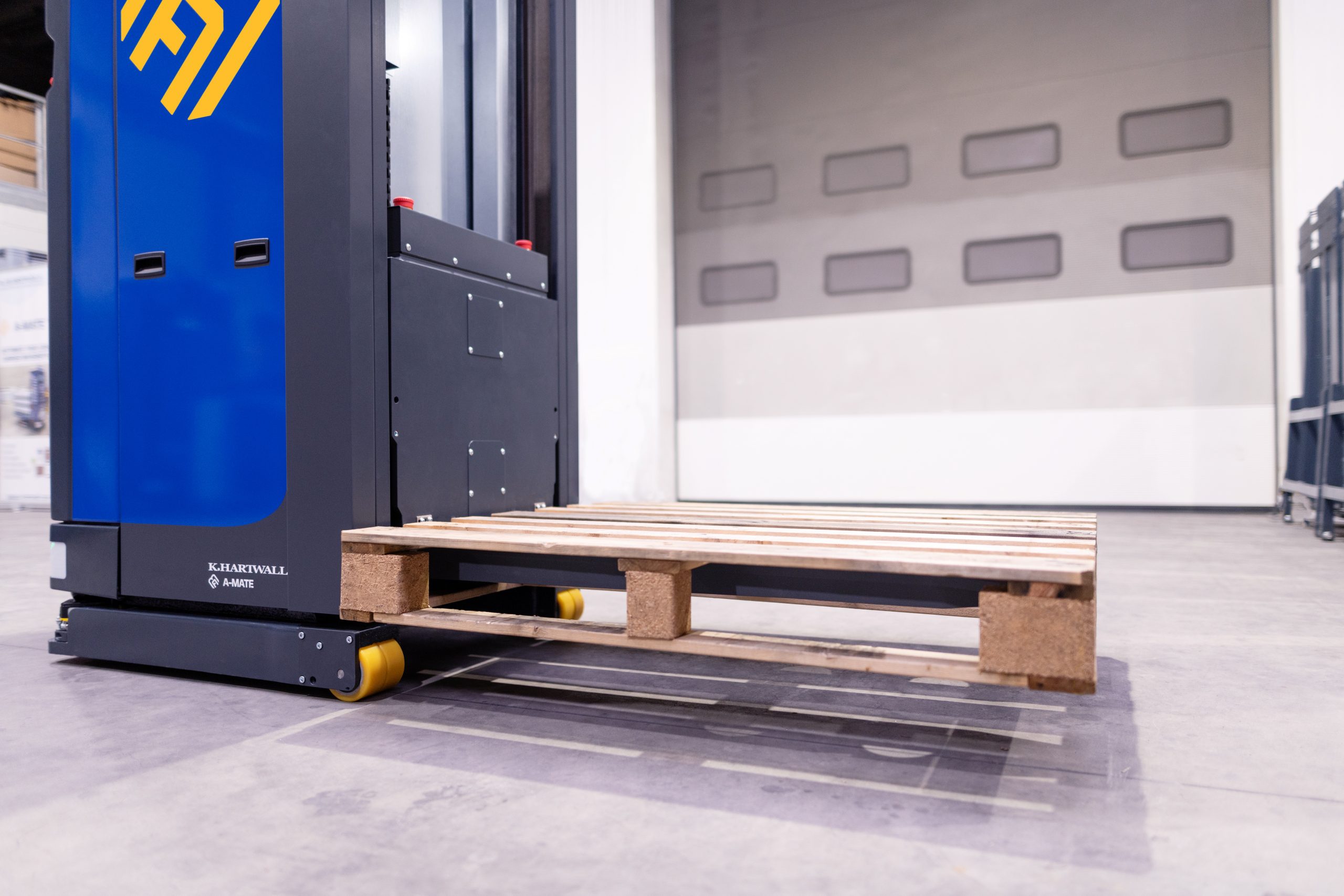
In today’s industrial landscape, automation is transforming businesses by improving efficiency, reducing costs, and enhancing productivity. Once a futuristic concept, automation is now essential for staying competitive in manufacturing, logistics, and supply chain management. By leveraging technology, businesses can streamline operations, minimize errors, and ensure a safer, more sustainable future.
- Improved Efficiency
Automation significantly enhances operational efficiency by optimizing resource use and reducing errors.
- Continuous Production: Automated systems operate 24/7 without breaks, ensuring uninterrupted workflows.
- Minimized Errors: Eliminating human fatigue and miscommunication results in greater precision.
- Predictive Maintenance: Many automated systems detect issues early, minimizing costly downtime.
- Real-time Monitoring: Managers can track performance metrics instantly to optimize processes.
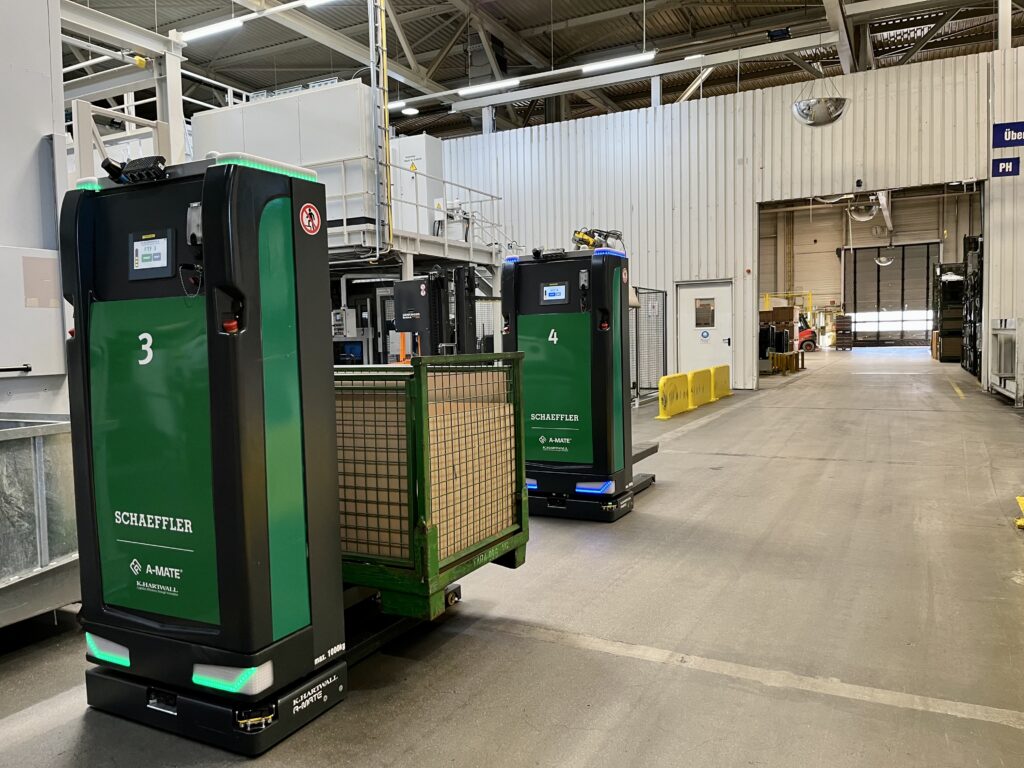
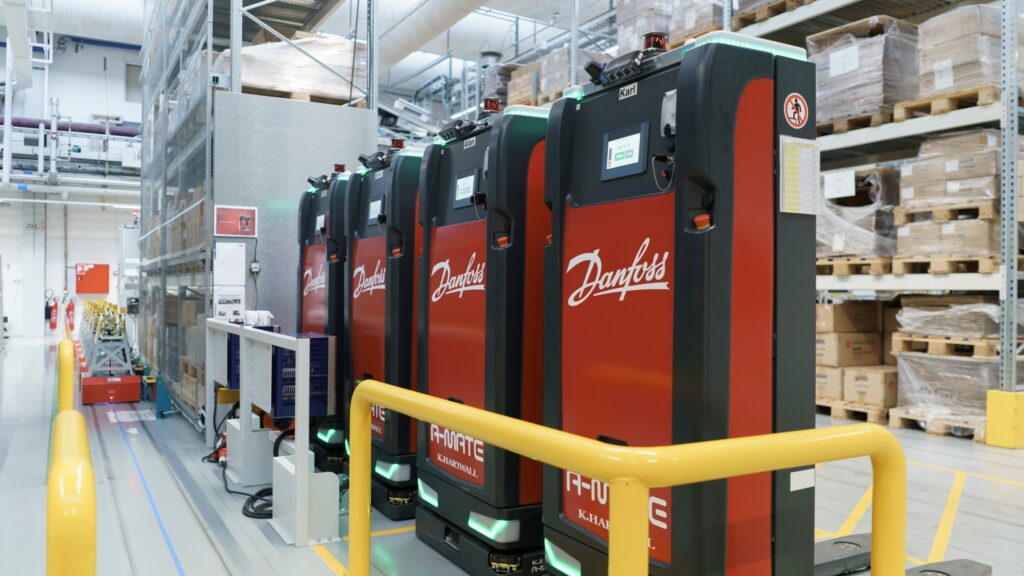
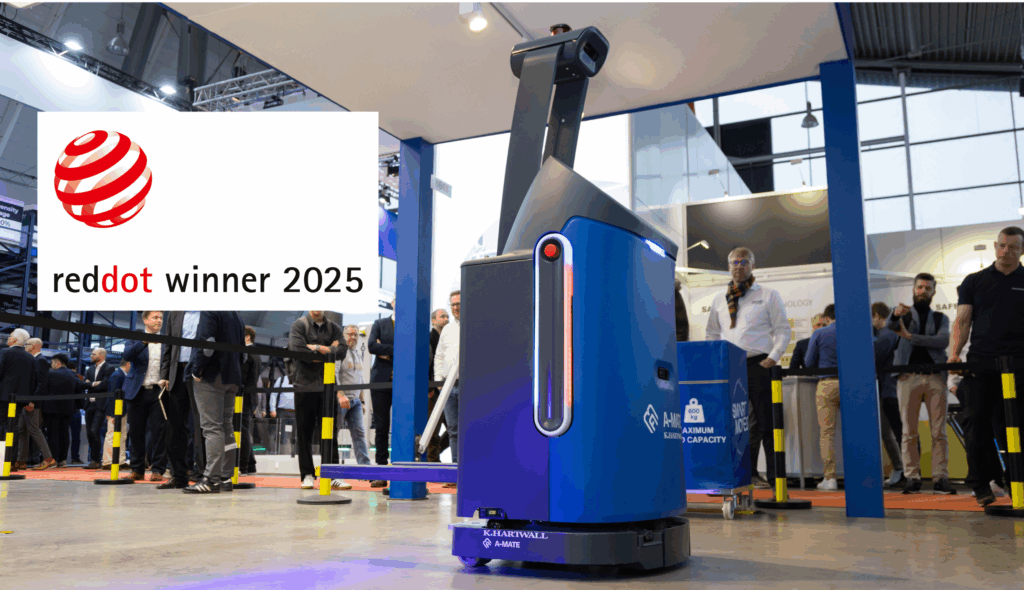
Example: The A-MATE FreeLift and A-MATE Counter mobile robots automate the product flow in demanding environments, such as factories, warehouses and sorting centers, and allow you to decrease your dependency on skilled labor, process errors and the risk of accidents.
- Cost Reduction
Although initial automation investments can be high, the long-term savings make it worthwhile.
- Lower Labor Costs: Automating repetitive tasks reduces payroll expenses and hiring costs.
- Decreased Errors: Automated systems follow precise instructions, reducing defects and waste.
- Energy Efficiency: Smart machinery optimizes energy usage, lowering electricity costs.
- Rapid ROI: Increased efficiency and labor savings contribute to significant long-term financial benefits.
Example: Implementing the A-MATE Counter, a fully electric mobile robot with cantilevered forks and counterweight, allows for the autonomous transport of various load carriers like pallets or lattice boxes, reducing the need for manual labor and associated costs.
- Enhanced Quality and Consistency
Automation ensures uniform product quality, eliminating performance variability common in human labor.
- Precision and Uniformity: Automated production lines maintain strict tolerances for consistent quality.
- Reduced Variability: Unlike manual processes, automation removes inconsistencies, improving reliability.
- Integrated Quality Control: AI-driven monitoring detects defects in real-time, reducing waste.
Example: Both the A-MATE FreeLift and Counter are equipped with advanced navigation and safety features, including 360° scanner coverage, ensuring precise and consistent handling of loads, thereby maintaining high product quality standards.
- Worker Safety
Automation significantly improves workplace safety by handling hazardous tasks.
- Reducing Risky Tasks: Robots manage dangerous jobs, such as lifting heavy loads or operating in extreme conditions.
- Compliance with Safety Standards: Automated systems adhere to strict safety protocols, reducing human errors.
- Enhanced Safety Mechanisms: AI-powered sensors prevent collisions and accidents, ensuring a secure environment.
Example: The A-MATE product family is designed with features including omnidirectional (FreeLift) or Bidirectional (Counter) driving systems and compact designs, reducing the need for manual handling of heavy loads, resulting in less risk of workplace injuries.
- Scalability and Flexibility
Automation enables businesses to scale operations efficiently and adapt to market changes.
- Easy Scaling: Automated systems can be reprogrammed to meet growing production demands.
- Quick Adaptation: Modern automation allows seamless switching between different product lines with minimal downtime.
- Customization: Automated systems efficiently handle diverse product specifications to meet customer needs.
Example: The A-MATE Counter’s compact design and bidirectional drive enable agile movement in tight spaces, allowing for flexible integration into existing workflows and easy adaptation to changing operational needs.
Automation is no longer an option—it’s a necessity for staying competitive. From improving efficiency and reducing costs to enhancing quality and worker safety, automated solutions like K.Hartwall’s A-MATE robots are revolutionizing industrial operations. By investing in automation, businesses can achieve higher productivity, lower costs, and a safer, more adaptable workforce. Embracing automation today is key to securing long-term success in an increasingly automated world.
Anthony Magazu
Sales Manager Automation, North America
[email protected]